
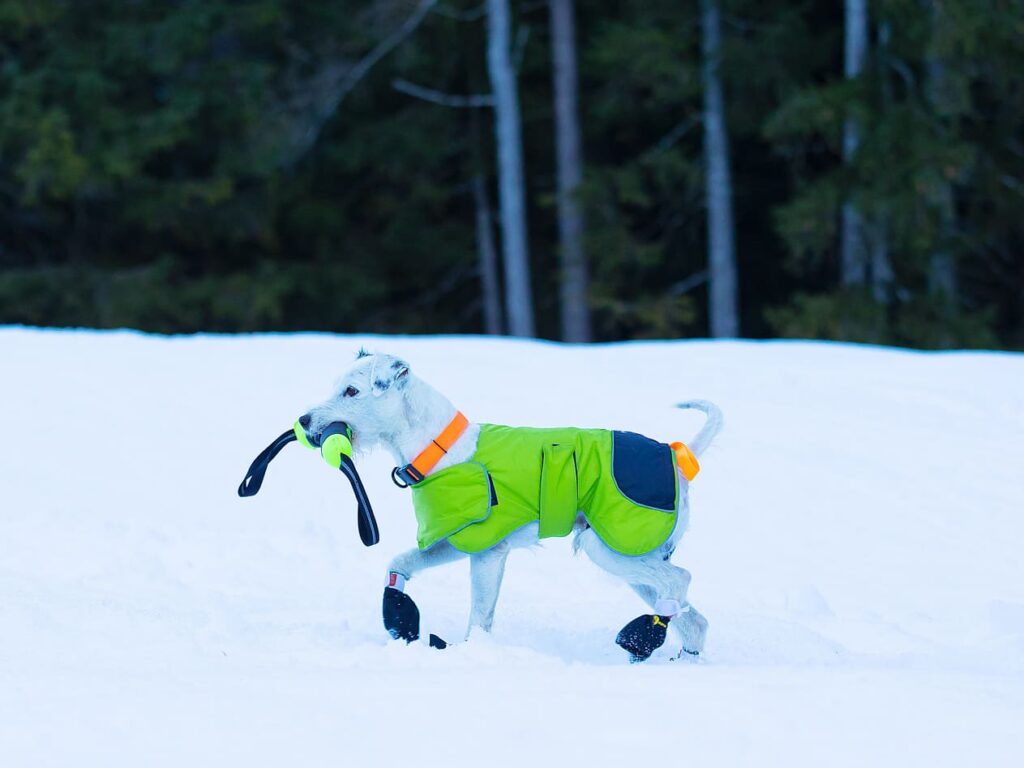
Winter is such a magical, special season and what better way to have amazing fun with your dog than sports, hikes or walks with your dog in the snow. Though remember that not all dogs handle winter conditions the same, and their breed, fitness and even personality need to be taken into account when getting ready for winter activities.
Challenges you might face in winter:
1.
Ice balls
Snow! We love it, but it’s also your dog’s biggest enemy in winter! When your dog walks in the snow, ice balls may form between their toes, attaching to the hair in interdigital spaces which is obviously very uncomfortable.
To stop ice balls you can choose between two options:
→ Booties
Kipmik booties are ultra-light fabric booties designed primarily to prevent ice balls from forming between your dog’s toes. They are durable and comfortable to wear, so the dog remains at ease even during exercise.
Remember to get your dog used to wearing their booties ahead of time, as it can be a strange sensation for them at first. The right size should allow their paws to function normally, their toes spread correctly inside, and they should never be too tight.

→ Winterpad
WinterPad is an ointment that can be applied directly to your dog’s paws before going out into the snow. It creates a barrier against ice balls and helps strengthen the pads!
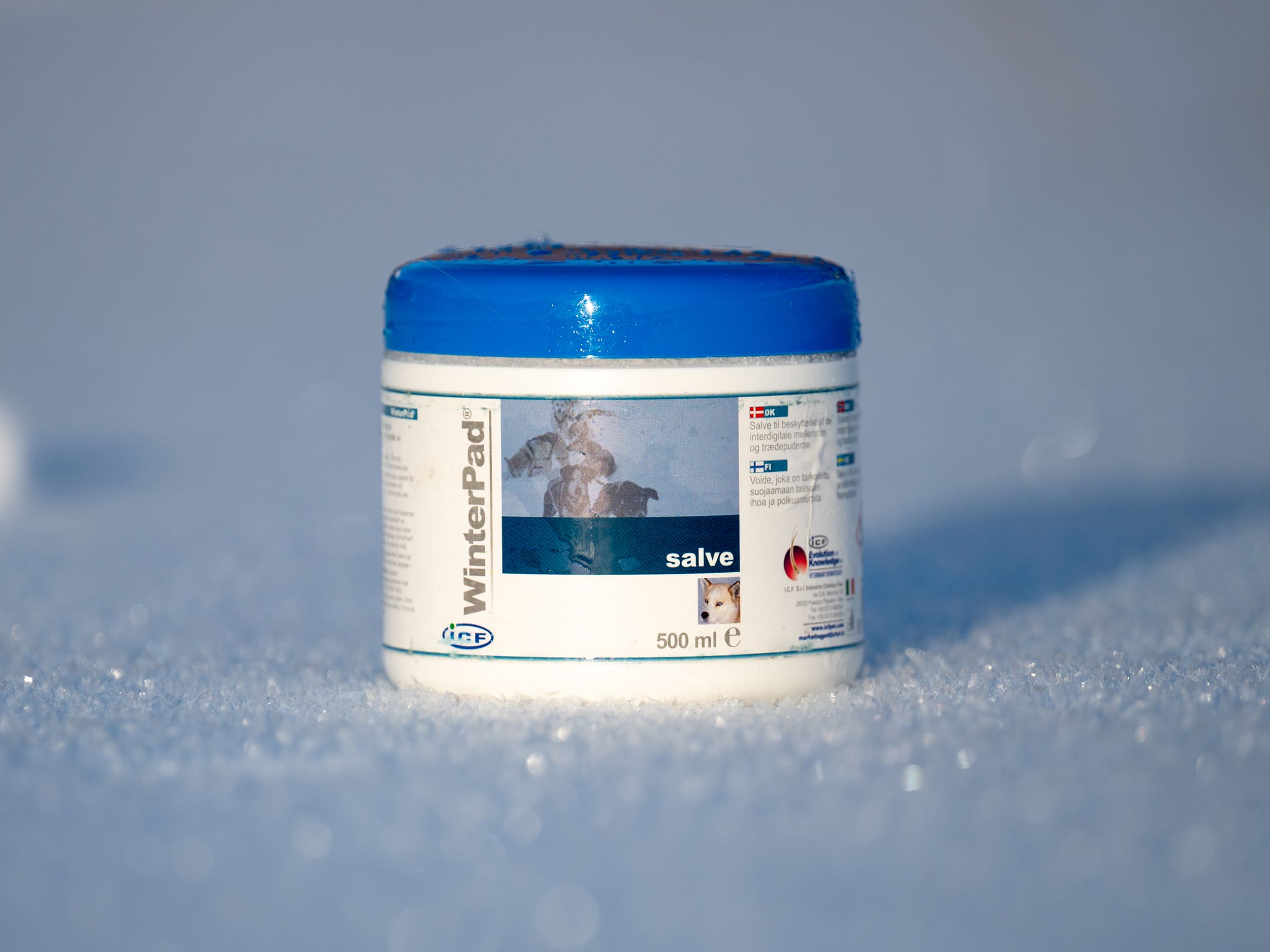
You can also resort to the scissors method! Trimming the hair between your dog’s toes can help limit ice ball formation. However if your dog wanders into deeper snow, the balls may also reach the rest of the foot and the legs.
2.
Road Salt
Salt is commonly used in towns and cities to stop sidewalks from becoming slippery. While great for humans, salt can be harsh on dogs, causing a painful burning sensation and over time, drying or damaging their paw pads.
To help protect them, fit your dog with booties:


If you forget your booties and notice salted areas, it’s best to change direction or carry your dog. And if your dog does walk on salt, be sure to rinse their paws as soon as you can to remove any residue.
3.
Cold Weather
Another challenge in winter is the cold. While some dog breeds absolutely thrive in low temperatures, others can really suffer. You are the only one who can know if your dog needs some additional protection!
Signs of cold may include:
- shivering
- salivating
- being more active than usual
- being less active than usual/walking very slowly
- refusing to go on walks
- hinting that they want to go back home or to the car
- accelerated breathing
- asking to be petted, rubbing against their human
- appearing distressed or showing subtle signs of discomfort
- lifting paws off the ground
- lethargy (this can indicate hypothermia and requires veterinary assistance)
Remember that sensitivity to cold is not simply a question of short-haired versus long-haired dogs: coat quality also matters.
Some dogs may have a strong undercoat shedding at the wrong time. Dogs also now generally live indoors, and given that we often (overly) heat our homes, your dog’s coat coats may not fully adapt to winter conditions. The sudden change in temperature between indoors and outdoors can be difficult for many dogs to adapt to.
Another factor to consider is body fat: dogs with less fat feel the cold faster.
Finally, older or calmer dogs, so less active dogs, don’t always produce enough heat through movement and can feel the cold more quickly. The same applies to dogs that can’t be let off the leash, as they have fewer opportunities to warm themselves up through exercise.
If you decide to put a coat on your dog, always keep an eye on them to make sure they don’t get too hot. Sometimes, a light layer at the beginning of the walk is enough.
→ All Rounders
These lycra shirts provide light protection for chilly weather. They are ideal for sports as they don’t hinder movement.
All-Rounder Pro

All-Rounder Vest

→ Coats
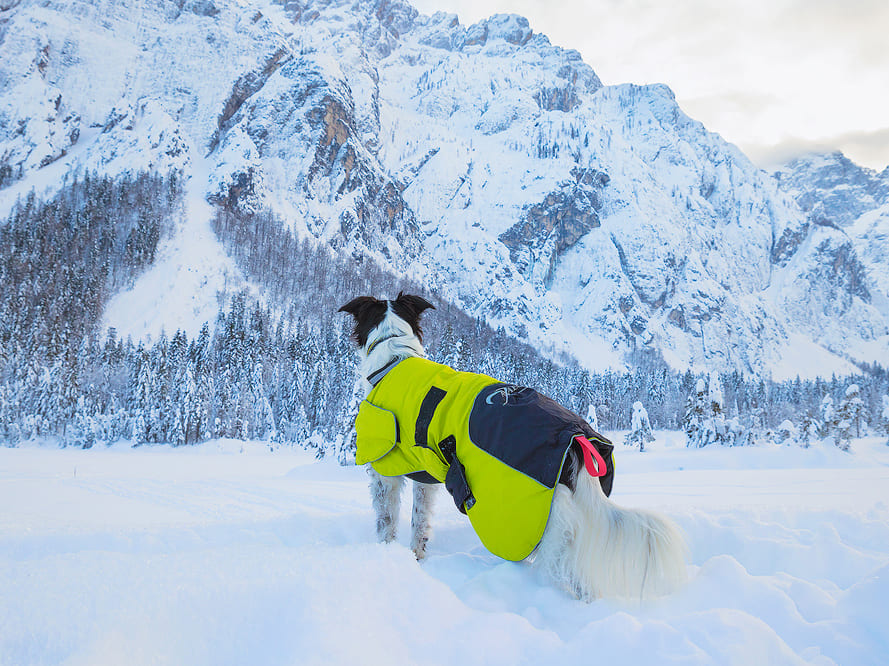
At Axaeco, we offer 4 different coats that adapt to different types of dogs and weather conditions. They all have one thing in common: they are fully waterproof, so your dog is protected from falling snow or rain.
For a full comparison of our 4 coats read our Dog Coat Guide.
4 Season Dog Coat
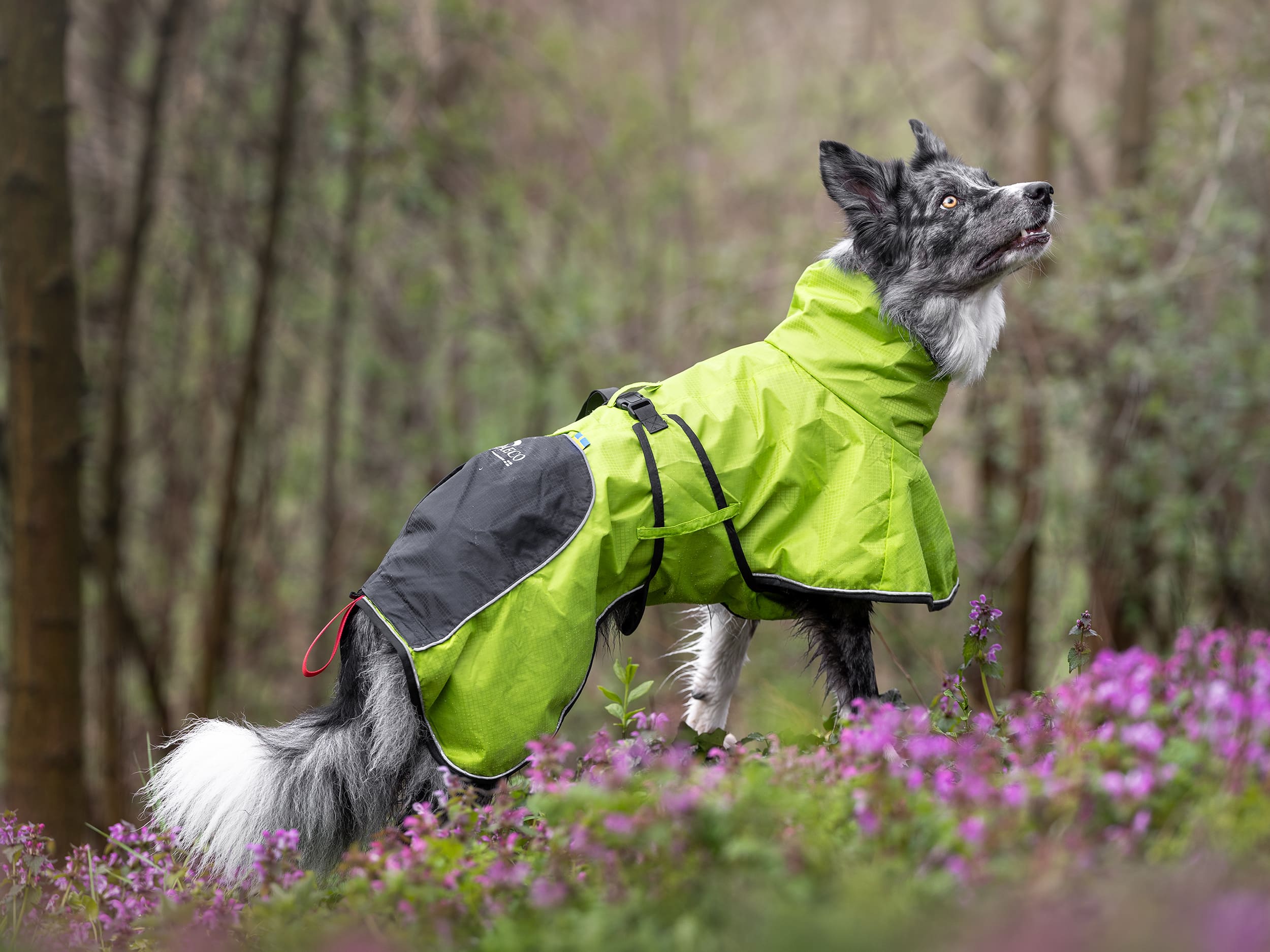
Lapland Dog Coat
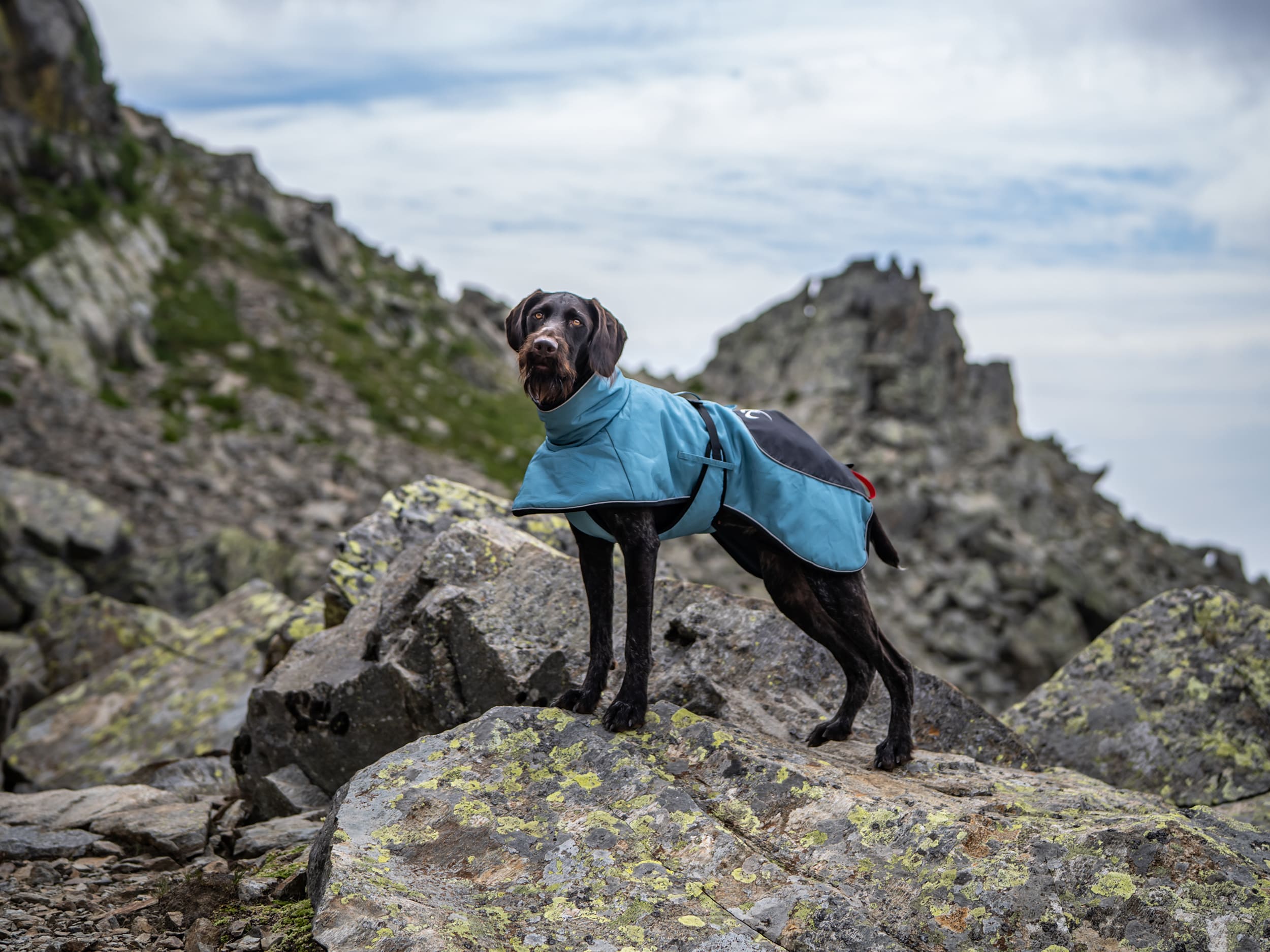
Raincoat Windbreaker

Dog Coat Ice Olation 2.0
→ Buffer
Does your dog only need some extra neck warmth? Get them their own buffer!
Axaeco Buffer

Axaeco Arctic Buffer

4.
Injuries
Snow can hide potential hazards and also cause injuries. When trekking in the snow, always carry a pet first aid kit.

It includes everything you need to treat open wounds, as well as an emergency thermal blanket. This can be crucial in preventing hypothermia if your dog is injured and unable to move in cold or snowy conditions.
5.
Dog equipment unsuitable for cold weather
When choosing dog equipment for the winter, remember a few important criteria:
- Fast-drying materials for back-to-back adventures
- Buckles and other parts that don’t freeze or break in low temperatures
- Materials that don’t stiffen in the cold
All Axaeco products are created with these criteria in mind!

6.
Dark nights
Winter is also a season when it gets dark much earlier. For your after-work walks, consider using reflective and high-visibility equipment, it can be a literal lifesaver!
The Trapper Vest is visible both during the day, thanks to its bright colours, and during the night, thanks to its large reflective strips.

The Reflex+ can be attached to any dog or human gear to add a reflective feature to it.

We’ve also created the Galaxy line, a collar and leash that glow in the dark!

Most Axaeco products have some kind of reflective feature to keep your dog safe, including our harnesses, leashes and collars!
7.
Nutrition and hydration
Your dog may need snacks and an increased daily food intake, as walking in the snow burns a lot of calories!
Even if the sun is not shining, moving through snow can be surprisingly dehydrating. Be sure to offer your dog regular water breaks to keep them properly hydrated.
Checklist
✓ Paw Protection
- Against ice balls between the toes → Kipmik Booties or Winterpad
- Against road de-icing salt → Tibesti Booties or Kipmik Booties
✓ Body Protection
- Light protection for cool weather → All Rounders
- Waterproof coat → 4 Season Dog Coat or Raincoat Windbreaker
- Warm coat → Lapland Dog Coat or Dog Coat Ice Olation
- Neck protection → Axaeco Arctic Buffer
✓ Safety
- To be prepared for injuries → Pet First Aid Kit
✓ Performing Winter Gear
- All Axaeco Gear is certified anti-freezing, check out our harnesses and leashes!
✓ Visibility
- Glow-in-the-dark → Galaxy Line
- Reflective → Trapper Vest or Reflex+
✓ Nutrition and Hydration
- To help your dog stay in shape → Treats, wet food and regular water breaks
Conclusion
Every dog is different and more importantly, a single dog’s needs can change throughout their lifetime due to age, fitness, weight, diet quality or illness.
Using protective gear is not about fashion, it can be an essential part of helping your dog fully enjoy adventures in the snow!