
What is Bike Joring?
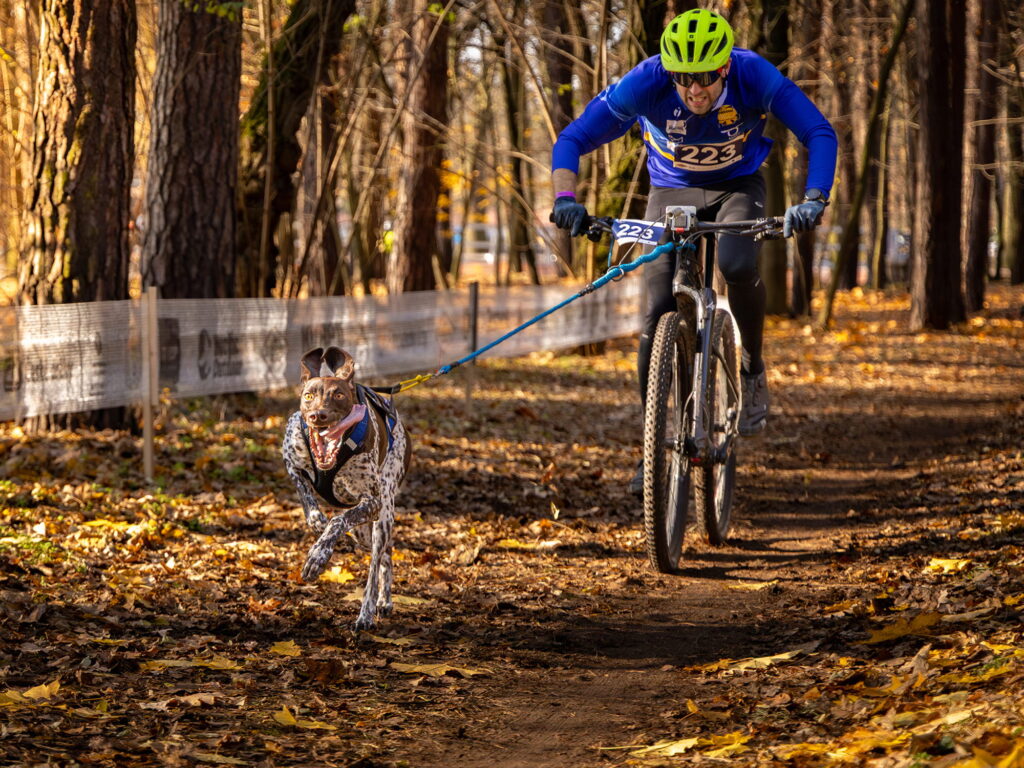
Bike Joring is an activity where your dog is attached to your bike and pulls you forward while you pedal, adding even more speed and power.
It is usually practised with one or two dogs. Some professionals may harness more dogs together but this increases the risk and makes it much faster and more difficult to manage.
In Bike Joring, the pace is much faster than canicross so it requires more preparation, proper training and good control and reflexes from the handler, as well as the appropriate safety gear! You also need a strong relationship with your dog to make teamwork effective.
Like most mushing/pulling sports, Bike Joring was originally invented to train sled dogs during the off-season. It’s a great way for mushers to evaluate dogs individually and have fun together. Nowadays, it is definitely a sport in its own right and competitions are organised regularly around the world.
Is Bike Joring suitable for your dog?
For recreational training and your dog’s enrichment, almost any healthy dog can try bikejoring. Of course, you need to teach your dog the necessary commands beforehand to ensure that you both stay safe.
In competitions, the majority of dogs are generally northern or pointing breeds. However, many herding breeds, retrievers, and various shepherd breeds also perform very well in bikejoring with the right motivation. While any dog can participate, it is much easier to achieve higher speeds with larger dogs (over 15 kg).
Before starting any physical activity, consult with your veterinarian to ensure that your dog is in good health and physically able to participate.
It is also possible that your dog may show signs of stress when you first put their harness on and/or when being near the bike. If you notice this, it’s vital that you slow things down and begin to build a positive association with all bikejoring equipment through consistent, gradual training.
Learn how to desensitize your dog to harnesses step by step in our article: “A Respectful, Low-Stress Approach to Harness Training”.
Essential Gear Checklist for Bike Joring
→ Mountain Bike
A bike with wider tires, suitable for uneven terrain, is essential. You also need very reliable brakes to ensure both your safety and your dog’s.
→ Helmet
Falls are more likely in bikejoring due to the high speeds involved. Even well-trained dogs can react unpredictably, so protecting your head is extremely important.
→ Bike Antenna
For safety, you should use a flexible antenna that keeps the line away from the front wheel while riding.
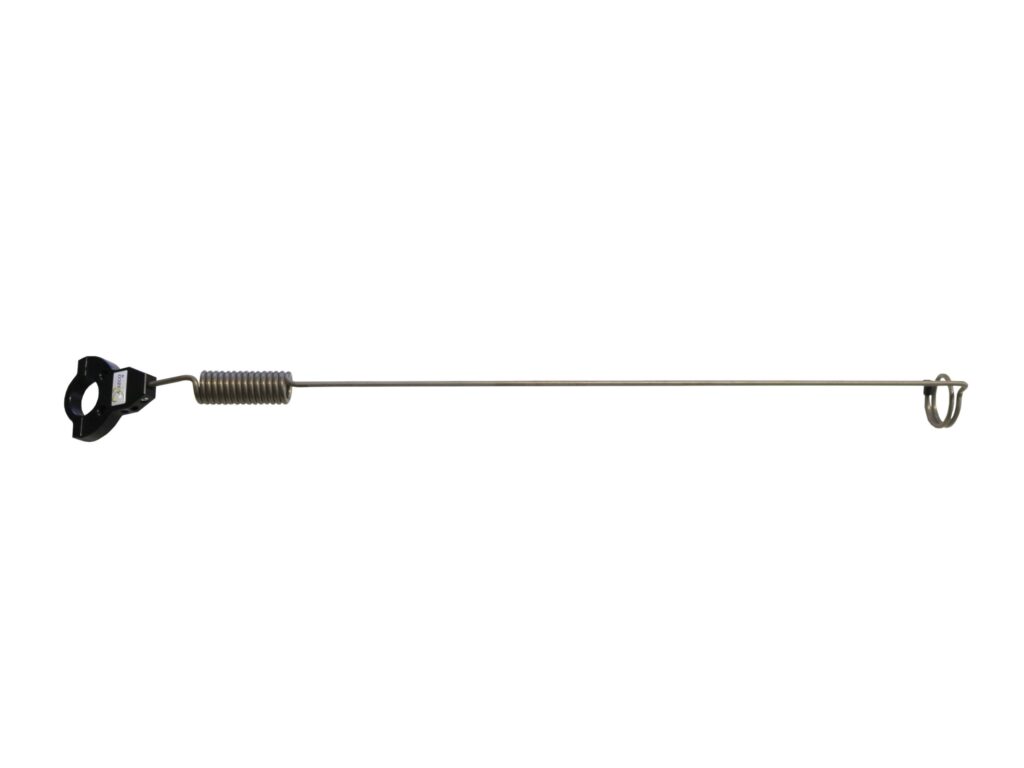

→ Elastic line
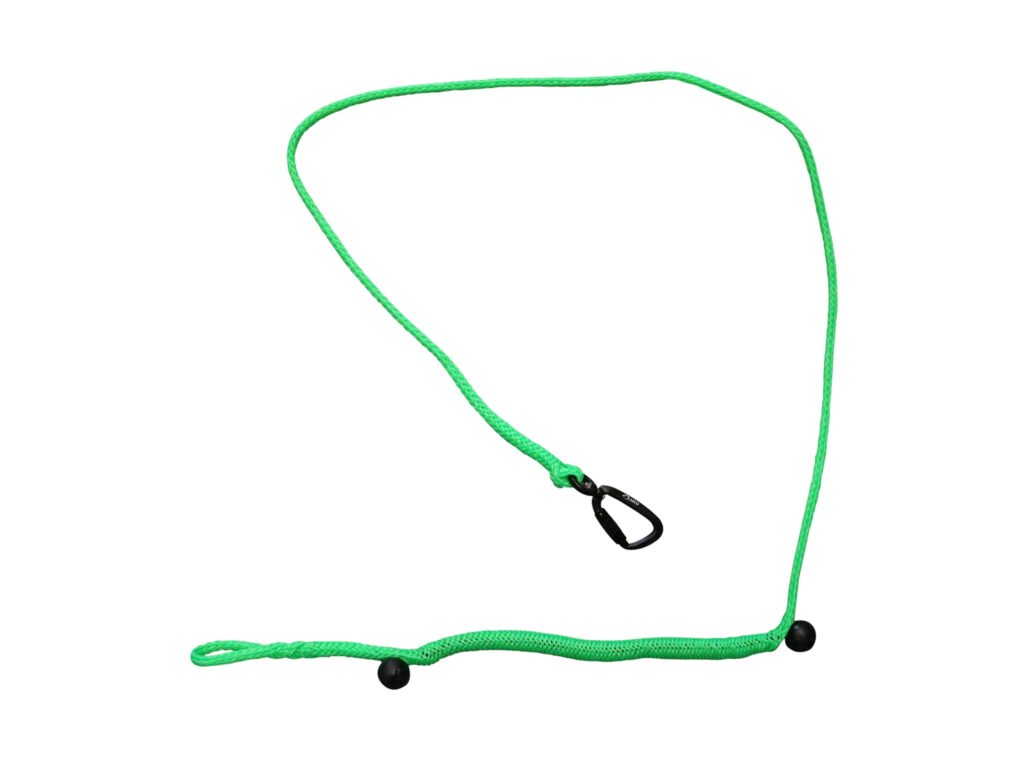
The line is attached to the bike, runs through the antenna, and connects to your dog’s harness. Its elasticity is crucial to protect your dog’s back and to provide a smoother ride.
According to IFSS regulations, the line should measure between 2 and 3 meters when fully extended.

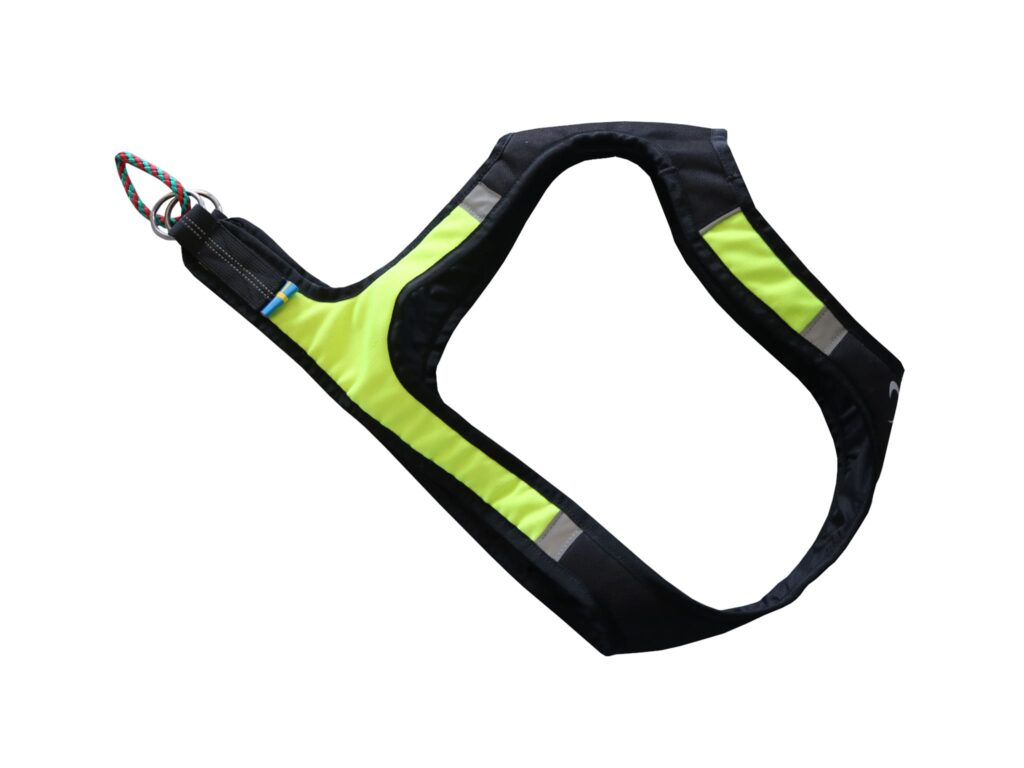
→ Pulling harness
Your dog must wear a harness specifically designed to distribute the pulling force evenly across their body while allowing full freedom of movement.
Learn which Axaeco model is best suited for your dog in our article “Pulling Harness – Guide”.

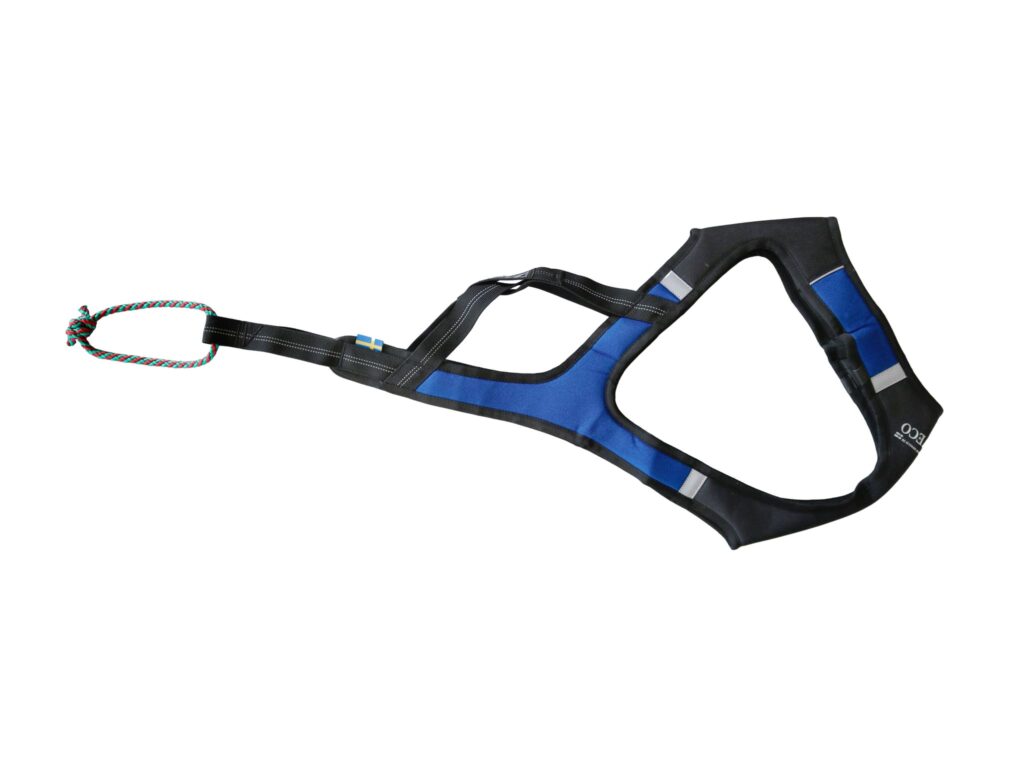

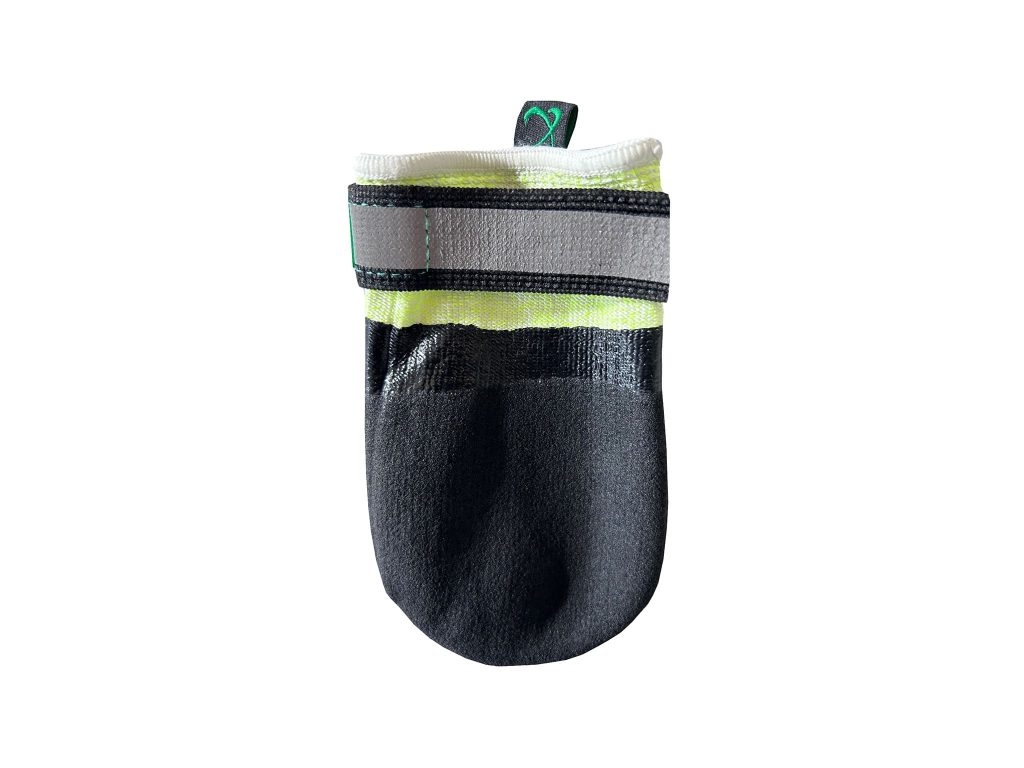
You can also invest in other protective gear for yourself such as goggles, gloves or back protection. Your dog might need booties if the ground is very rough or if they have sensitive paws.
What are the ideal conditions for Bike Joring?
Terrain
Bike Joring is usually practiced on forest trails or gravel roads. It is important to choose softer ground as dogs run at full speed and hard surfaces like asphalt can put significant strain on their joints.
Temperature
Bikejoring is a high-intensity sport that can quickly and dangerously raise your dog’s body temperature. It is best practised in cool weather and can become unsafe above 15-18°C. Of course, the exact threshold depends on each individual dog but it is better to be safe than sorry and try to respect this general rule. If you want to learn more about training in hotter weather, read our article “Hot-Weather Pulling Sports with your Dog: Safety, Limits and Useful Strategies”.
How to prepare your dog for Bike Joring
There are several important steps to take before actually riding with your dog harnessed in front of the bike.
The best approach is to start with canicross. This allows you to teach your dog commands more easily and build their stamina gradually.
Useful commands include:
- Go: Lets your dog know you are ready to start and that they can begin pulling.
- Stop: Used at the end of a session, but also essential for emergency stops.
- Right / Left: Helps guide your dog through turns, trail changes, and when overtaking during competitions.
- In line: In competitions, a handler may help hold your dog at the start. However, it is much easier if your dog already knows how to position themselves in front of the bike. This can save valuable time and make starts smoother.
You should also practise on your own with your mountain bike across different terrains to improve your cycling skills (braking, changing directions, handling uneven ground, etc.).
Once you are ready to start bikejoring, begin at lower speeds and with short sessions. This is important not only for your dog’s health, but also to maintain their motivation to pull. If they are not used to speed or long periods of exertion, they may become tired or distracted quickly.
In most regions, you can find clubs that organize group training sessions and competitions. This is a great way to receive guidance, improve your skills, and keep your dog motivated.
Hydration and Nutrition
Dogs that practice bikejoring are true athletes. As such, they should be fed food designed for active or sporting dogs, typically with higher levels of fat and protein. You can also include supplements in their diet to support joint health.
Hydration should be carefully monitored during training. Indeed, running at bikejoring speeds is very demanding for dogs so it’s crucial to keep them hydrated before and after exercising. Read our article “Hydration: an often neglected element in the diet of canine athletes” to learn more about this essential topic.
Competitions
Competitions can be a great opportunity to meet like-minded people and assess your team’s progress. Of course, dogs don’t care about results, the priority is to keep the experience enjoyable and positive for them as well.
It is usually allowed, and absolutely recommended, to walk the course with your dog beforehand. This helps both of you identify potential challenges and better understand the route. It can reduce the risk of accidents and even save valuable time during the race.
Race distances are typically around 5 km, but they can vary between 3 and 7 km depending on the category and the season.
It is common practice to feed your dog well in advance of the race (at least 4 hours before) and to limit water intake about 2 hours beforehand to reduce the risk of bloating.
As the start time approaches, remember to warm up (both yourself and your dog) with a walk and some targeted exercises.
After the race, regardless of the result, you can be proud of your team. Allow time for a proper cool-down with a walk, let your dog rehydrate, and consider giving recovery supplements if needed.
Conclusion
Bikejoring is an incredibly fun and rewarding sport. If your dog enjoys pulling, it offers a fantastic outlet to run at full speed. While it requires proper training and attention to safety, the experience is truly worth it. It’s a unique way to strengthen your bond and discover just how well you and your dog can work together.
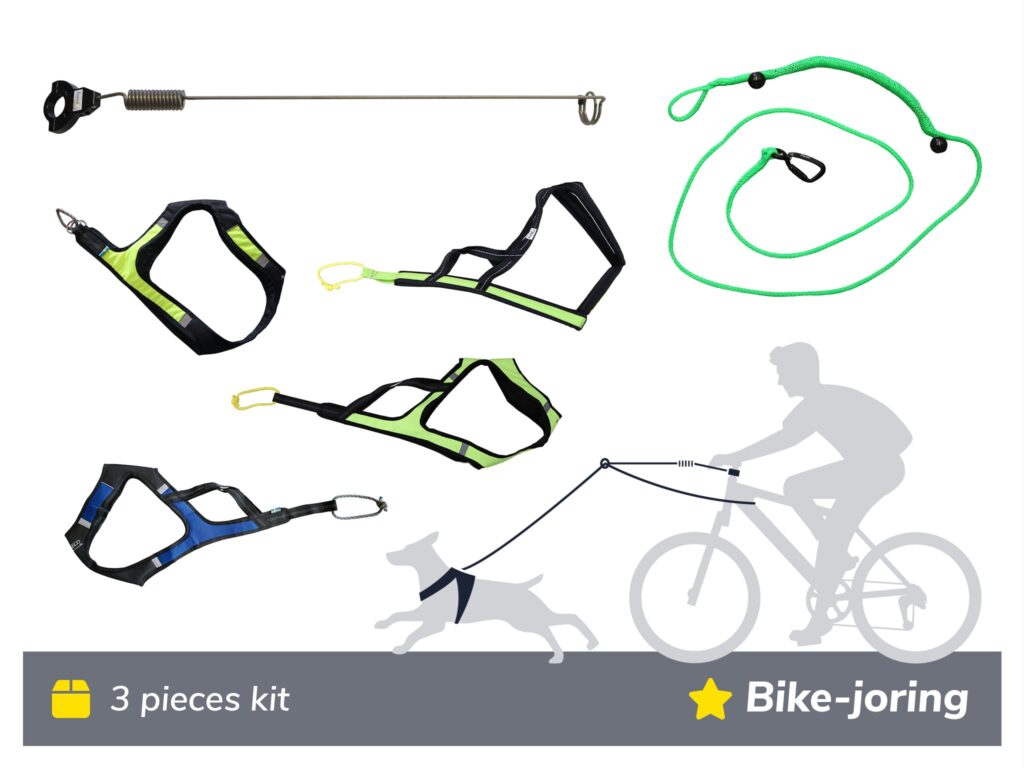
If you are looking for a quick way to start with Bike Joring, have a look at our Bike Joring Starter Kit!
FAQ
In theory, any healthy dog can try this activity, provided you pay attention to training beforehand.
That said, a couple of factors really matter:
→ Your dog’s motivation and enjoyment
Your dog should genuinely want to run in front of you. Look for eagerness and excitement. If they seem reluctant or stressed, don’t push it and try a different activity instead.
→ Your dog’s physical condition
Even if your dog is generally healthy, bikejoring really requires perfect health. Dogs with joint sensitivities or breed-related limitations (like breathing issues) may struggle. In those cases, it’s better to scale things down and opt for activities like canicross or dog trekking instead.
If you’re practising as a hobby with your dog, you can opt for a slower pace where your dog maintains a comfortable trot. In competitions, however, teams push for maximum speed to stay competitive, averaging around 30-35 km/h, with peak speeds on straight sections reaching up to 50 km/h.
Beside the obvious difference of running or biking behind your dog, there are other differences to take into account:
– Your dog can be comfortable with you running behind but not a fast bike right behind them;
– The speed is different and one activity can fit your dog’s needs and personality better than the other;
– They might require different line lengths for your and your dog’s comfort;
– Bikejoring is more likely to result in falls, always be aware of its risks and use appropriate protective gear;
– You have far less control over your dog during Bikejoring which might not be safe with a reactive or untrained dog.
– Starting the first session by cycling full speed, instead you should start by introducing the bike and then do slow sessions;
– Forgetting to warm up your dog;
– Practising Bikejoring on roads or pavements;
– Using incorrect equipment.
– Water
– A First Aid Kit
– Treats for warm-up exercises
– A harness and long line for a proper warm-up walk
– Poop bags and Poop Of
– A towel
Yes. In Bikejoring, the line should always remain taut. You should never ride faster than your dog and come up beside them, for example on a downhill section. Doing so can pressure your dog into running faster than is healthy or safe.
As with most things, proper training and experience make all the difference. At a high level, experienced teams are able to handle most situations, thanks to an excellent understanding of the dog, extensive training and a great deal of trust between rider and dog which has been built over time.