
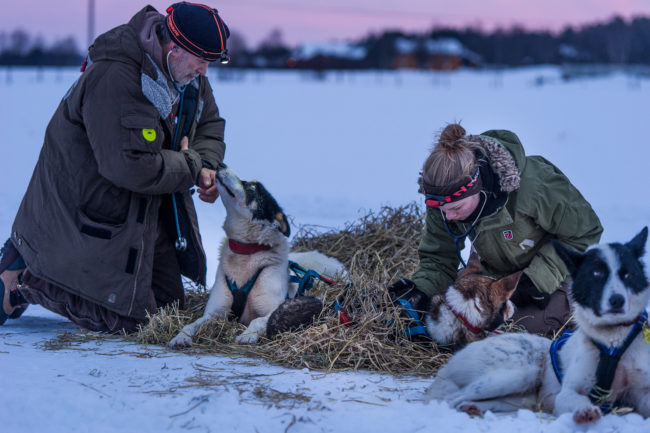
An integral part of caring for canine athletes and especially sled dogs dog who participate either at a professional or amateur level, on snow or other terrain, is ensuring that their diet fully meets the nutritional needs which result from intense physical and mental exercise, particularly when it involves extremely demanding conditions or courses.
To ensure that our dogs reach their full performance potential, we are used to focusing on the raw materials in their feed, the calories, and percentages of protein and fats. However there is one component of their diet which is often overlooked, and although it contains not a single calorie it is the most important part of what we feed our dogs… WATER!
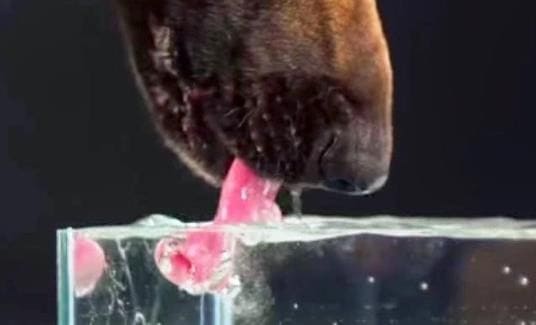
While optimal nutrition for sled dogs is a topic which has often been studied and discussed and is subject to practical modifications and adaptations according to the particular activity to be undertaken; hydration levels should, however, always be our primary concern and take into account certain factors such as the weight and age of our “four-legged athlete”, the distances to be covered and speed required, along with an assessment of the climatic and environmental conditions present.
Some simple data can help us understand the importance of water for our dogs, even if they do not participate in extreme sports:
- Water makes up about 60% of their body
- Water makes up almost 80% of their muscle weight and 30% of their fatty tissue
- A dog can survive several weeks without food but no more than 4 days without drinking.
A canine athlete could survive (even though it would certainly lead to a slow, difficult recovery and compromise its future career in sport) a hypothetical expenditure of almost 100% of its energy reserves of fat and glycogen in a single extreme endurance sporting performance, and could continue the activity until even the muscle proteins begin to break down. However, if the same healthy dog with peak muscle fitness and adequate fat reserves were to lose just 10% of the water in its body through dehydration, it would become seriously ill and be unable to perform. If the water loss were 15%, its condition would become life threatening and the dog would only be able to survive through prompt medical care with intensive intravenous rehydration.
Water is essential to life, not only for sled dogs engaged in extreme competitions. However, in this case neglecting its importance makes for an unsafe activity and fails to respect the needs and psycho-physical health of dogs and their ability to perform to their best ability.
How do we evaluate the hydration status of a canine athlete? From a practical point of view, there are four quick methods that can help us:
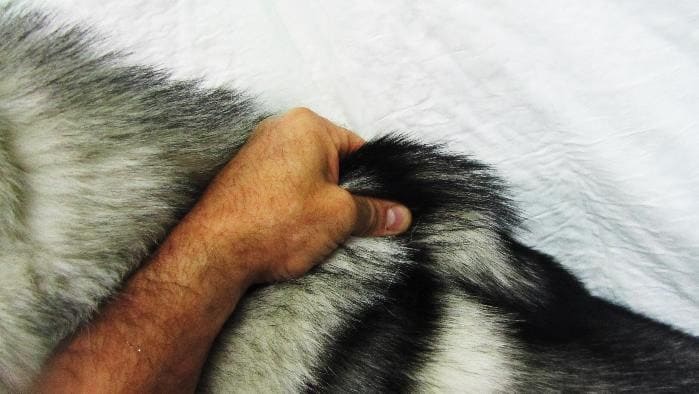
The speed at which skin returns to position after pinching. Pinch the skin fold and release: if the skin immediately springs back into place, hydration levels are optimal. The slower the return to normal of the skin-fold the greater the state of dehydration.
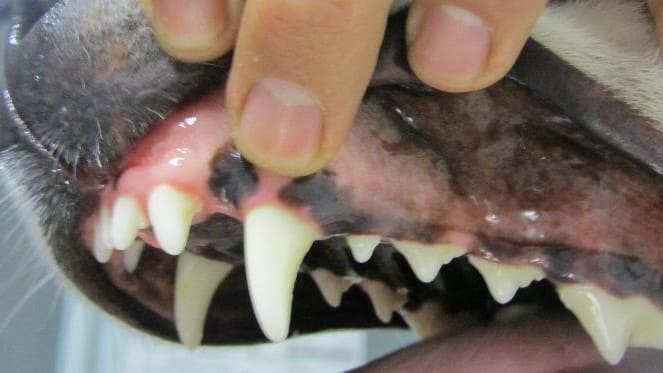
TRC or Capillary Refill Time: pressing a finger on the gum will make it become white rather than the usual pink colour, however when pressure is no longer applied, colour returns in under a second with good hydration. Prolonged times of 2 seconds or more indicate increasingly marked states of dehydrated.
Wetness of oral mucosa. Oral mucosa is normally “wet” and pink, as a dog becomes dehydrated the mucosa will become increasingly dry, pale and sticky to the touch as it is no longer lubricated by saliva.
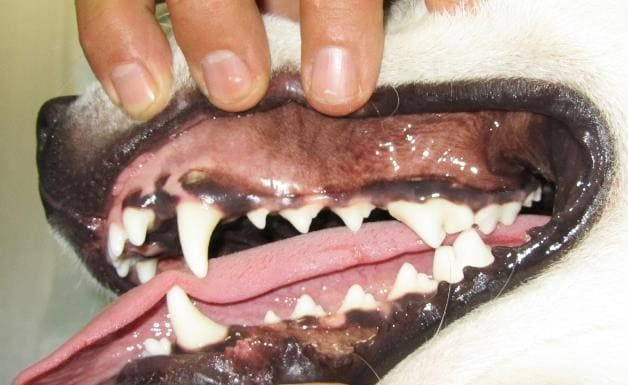
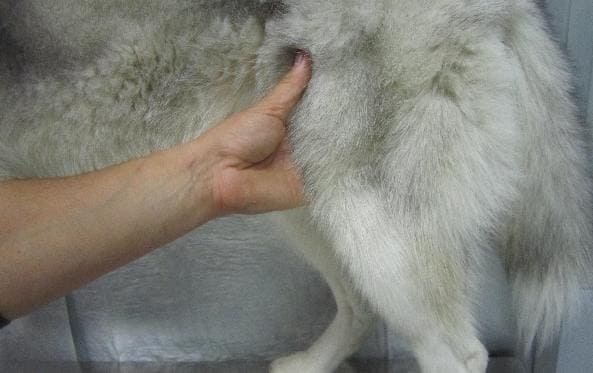
Heart rate: if palpation at the femoral artery reveals a high resting heart rate (over 100 beats per minute for a canine athlete) and / or a failure to return to below 120 beats per minute in less than one hour after the end of athletic activity, this indicates an accentuated state of dehydration (or could signal possible cardiac issues or suggest that the dog is in pain).
Water is by far the most important nutrient and is essential for multiple physiological and metabolic processes, including:
- Biochemical processes involved in energy production
- Body temperature and blood pressure regulation
- Modulation of renal function and variations in the qualitative / quantitative production of urine
- Transporting nutrients, gases and metabolic products to cells and removal of waste products
- A lubricating effect to enable the sliding of tissues and muscle fibres
- Providing a “filling” and protective effect for various types of cells and organs.
But how much should a dog drink a day? The amount of water needed to just maintain a medium-sized dog at rest is approximately 60 – 70 millilitres per kg of weight per day. As an example, for a sled dog with a resting weight of 20 kilograms , the calculated average daily water requirement is 1.2 – 1.4 litres per day. Note that water requirements expressed in ml/day are approximately equal to energy requirements provided by feed rations expressed as kcal/day.
The factors that have the greatest influence on the canine athlete’s water needs are the type and duration of the activity they are involved in (short, prolonged, strenuous or not), the type of feed given (dry or wet), the climate (ambient temperature and humidity), and any underlying pathological conditions.
An active sled dog will therefore need a greater quantity of both water and food, compared to their resting maintenance needs, according to the level of athletic exertion required and on the environmental conditions where the activity takes place.
The energy requirements of a sled dog during training or racing can double or even be 6-8 times higher than its resting basic energy needs depending on the duration and intensity of the activity (and even be more than 10 times higher if participating in an ultra-marathon in extreme weather conditions!) and their water requirements also increase in equal measure.
However, it should be remembered that high calorie feeds given to sled dogs working in extreme climatic conditions, require large quantities of water for them to be digested and used by the body to produce energy as well as for the dilution and elimination (as urine) of catabolic “waste” products resulting from these metabolic activities.
Hydration levels and the balance between “income” and “expenditure” should be considered the most important factors in endurance ability in athletic activity.
The water requirements for the proper physiological functioning of a sled dog and the maintenance of this balance can be provided via 3 “entry” ways:
- Water given as fresh, clean drinking water. Although we should bear in mind that during long distance races drinking water is not always consumed willingly or in sufficient quantities, and that certain sled dogs suffer from a dislike for it.
- Water from food. It is important to take into account the moisture content of the dog’s feed and that this “indirect” intake can affect the “direct” intake of drinking water: keep in mind that “dry” industrial foods (kibble) contain an average of 5 – 10% of humidity in respect of the weight of food administered, thus requiring larger quantities of drinking water to meet daily needs. On the other hand, “wet” industrial foods and fresh feeds often contain more than 60% water, and consequently lower drinking water requirements.
- Metabolic water. Oxidation and the metabolism of sugars, fats and proteins produces approximately 10 – 15 ml of water for every 100 kilocalories of energy supplied by food. The metabolism of 100 g of lipids leads to the production of about 107 ml of water, while per 100 grams of carbohydrates and proteins, 55 and 41 ml of water are produced respectively. However, no more than 10% of a dog’s water needs are met by metabolic water.
In balancing hydration levels, however, we must also take into account “output”, principally regarding physiological factors influenced by energy consumption. A tendency towards dehydration has been observed in sled dogs involved in physical activity, due to increases in muscle activity and subsequent increases in body temperature. Many sled dogs have a temperature of around 40-42° C during activity, as opposed to a resting temperature of approximately 38.5°C. 70% of the energy consumed by contracting muscle cells is in fact transformed into heat, while only 30% is used for muscle function. In dogs this increase in temperature is not counteracted by sweating (dogs do not possess sweat glands comparable to those of humans) but mechanisms of typical canine thermoregulation also involve a “loss” of fluids, these include:
- an increase in respiratory rate, thus exhaling warm air rich in humidity and dissipating around 60% of the heat produced
- increased saliva production and evaporation
- an increase in renal activity and urine production, ensuring urinary excretion of waste produced.
To these we must also add any water losses that may occur in pathological conditions, such as episodes of vomiting and / or diarrhoea which, for various reasons, can affect sled dogs involved in intense athletic activity. These losses must be evaluated and adequately compensated for, given that they are often accompanied by the loss of mineral salts and electrolytes, in the form of supplements (in other circumstances such supplements are not strictly necessary given that, unlike humans, canine athletes do not lose electrolytes through sweat).
Written by
Sergio Maffi
Veterinarian
To clarify further
Small Animal Clinical Nutrition – 4th edition.
Michael S. Hand, et al. Mark Morris Institute, 2000
Practical guide for Sporting and Working dogs
Dominique Grandjean et al. – Royal Canin – UMES, 2013
Canine and Feline Nutrition: A Resource for Companion Animal Professional
Linda P. Case et al. – Mosby, 1997
Water requirements of canine athletes during multi-day exercise
Lara Stephens-Brown and Michael Davis J Vet Intern Med. 2018 May-Jun; 32(3): 1149-1154
The Nutritional Requirements of Exercising Dogs
Richard C. Hill – The Journal of Nutrition, 1998 Dec; 128(12): 2686-2690