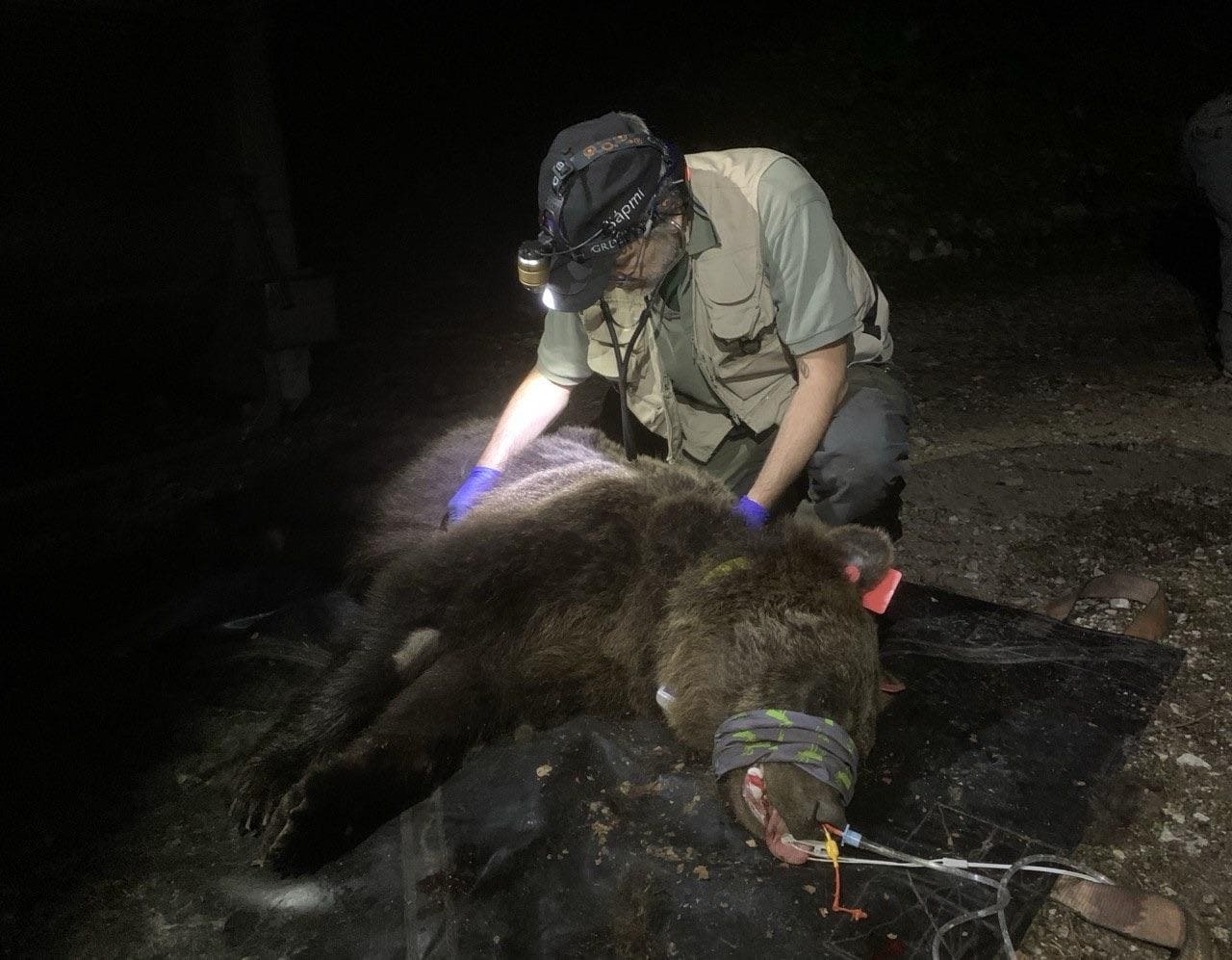

Vipers: a real risk when walking in the countryside
Spring and summer are the perfect seasons for walks in woods, mountains and grasslands, and a great chance for our dogs to explore off-lead and enjoy sniffing all the scents of nature. But the great outdoors is also home to one of every dog owner’s most feared dangers: vipers.
In Italy there are four different species of viper: the European Asp (Vipera aspis), the European Adder (Vipera berus), the Horned Viper (Vipera ammodytes) and the Meadow Viper (Vipera ursinii).
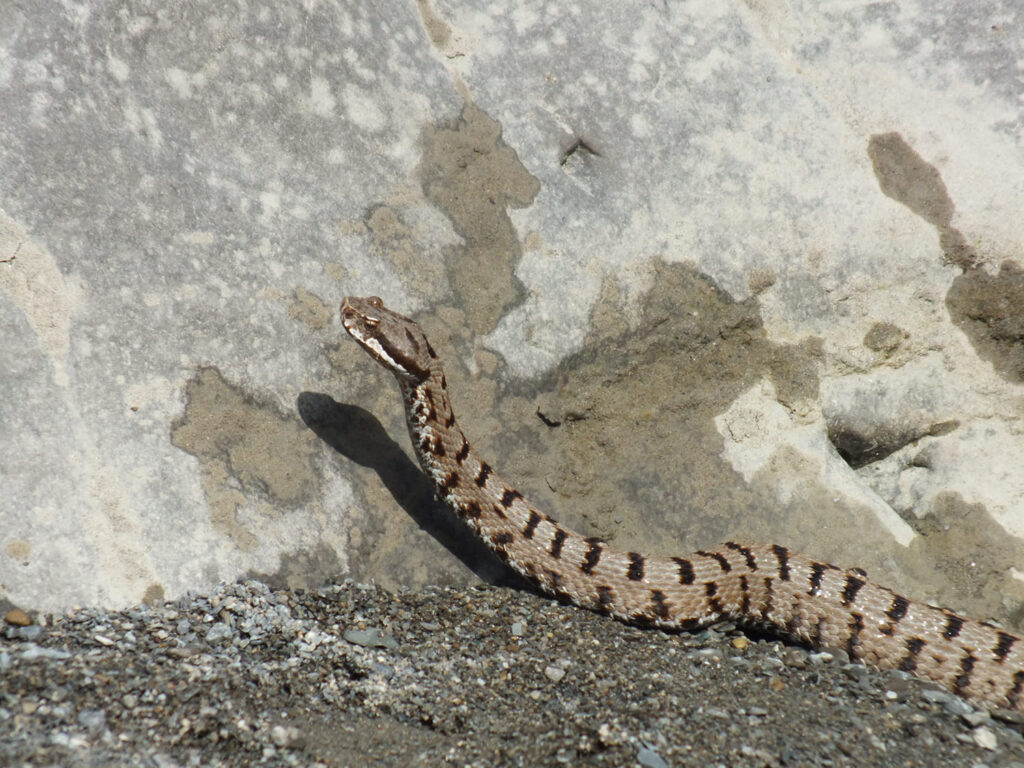
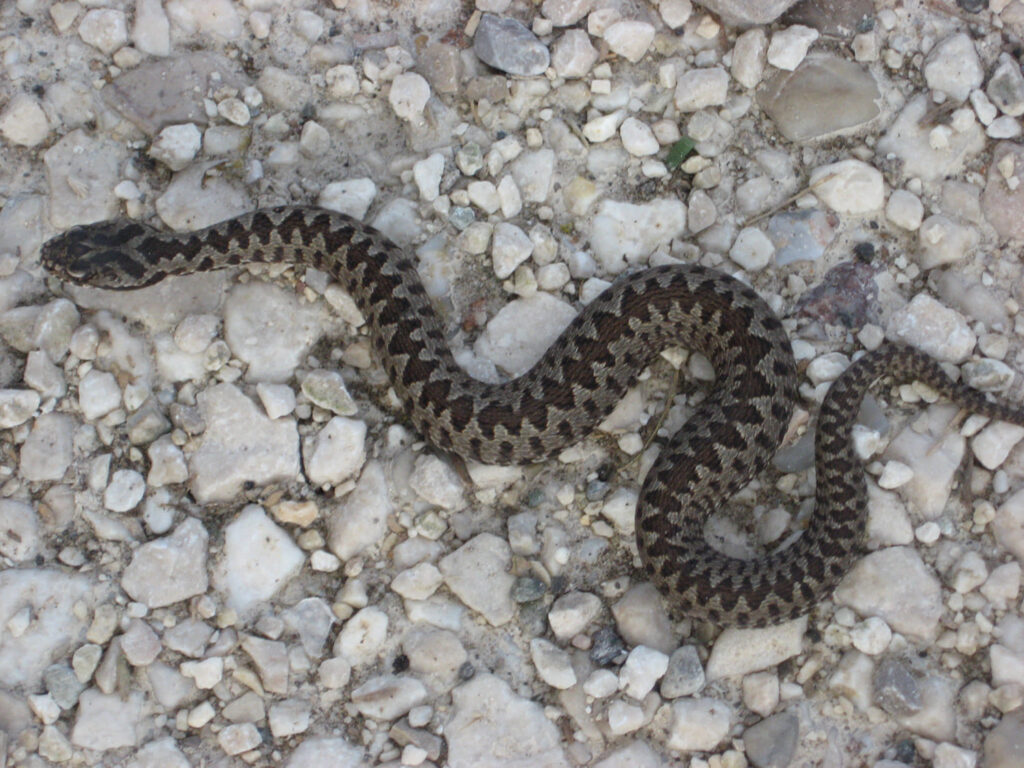
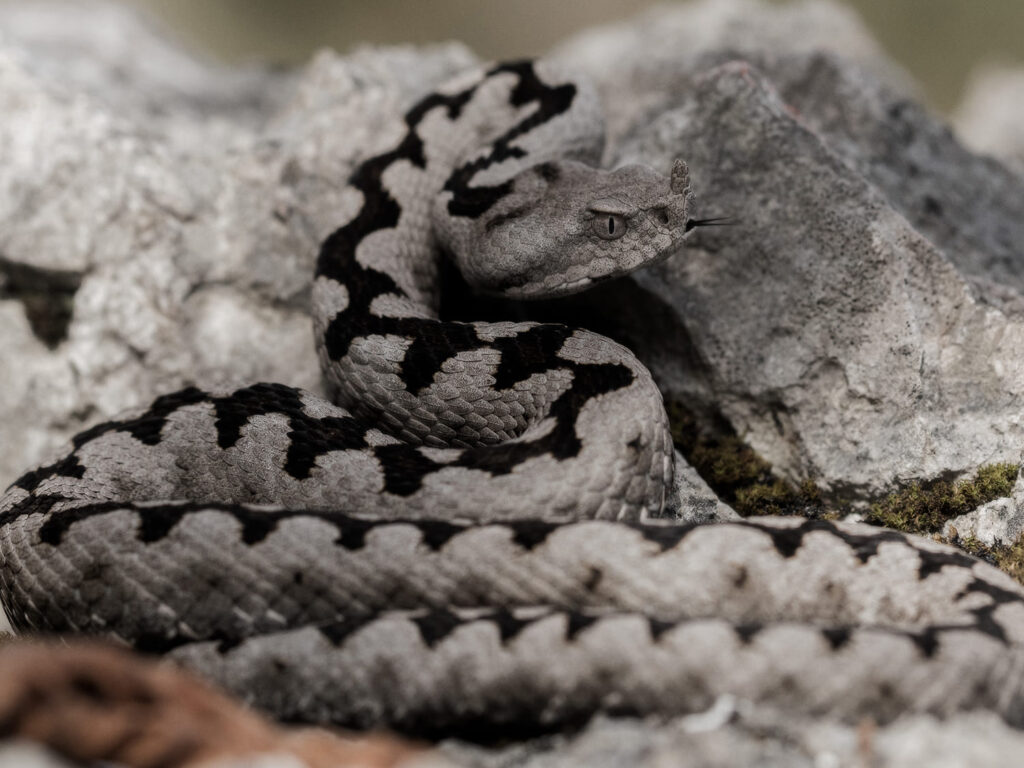
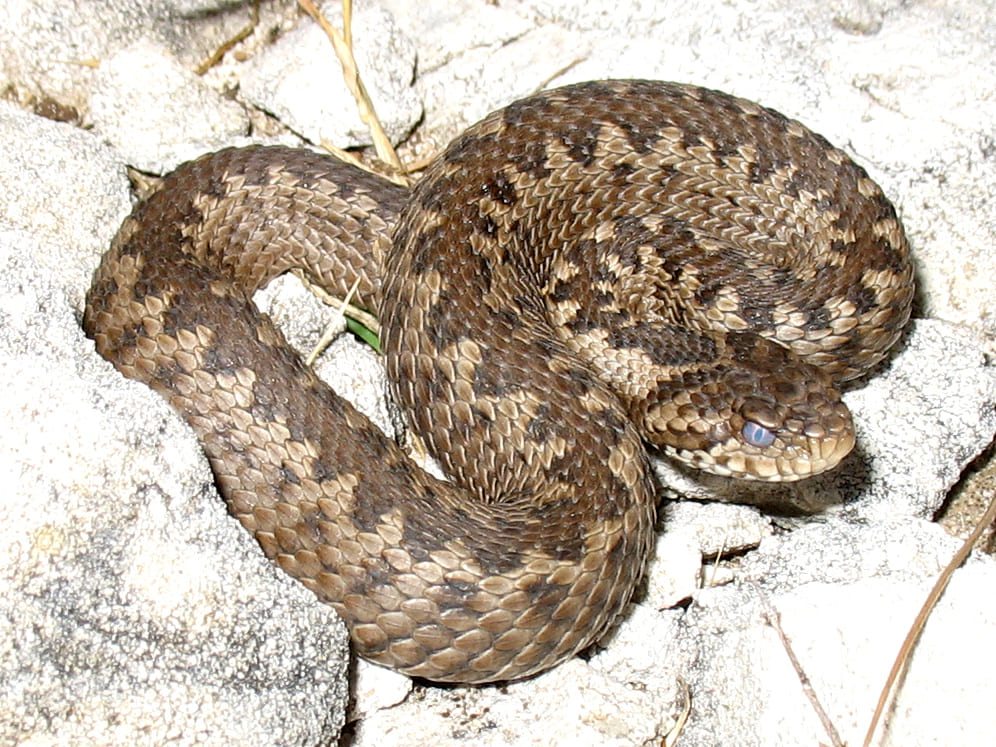
Despite their terrible reputation, vipers are not aggressive animals: they generally only attack when threatened or startled. This is why they can be a problem for naturally curious and impulsive dogs. It’s easy for dogs to get too close to a snake which is lying in tall grass or hiding under a rock and which may then bite the dog in self-defence.
There are different species of viper and each presents a different level of danger. Horned vipers, Vipera ammodytes, are regarded to be the most dangerous in Europe: their venom can contain neurotoxins and causes serious tissue damage and haemorrhage. The European Asp, Vipera aspis, is very common in Italy and its bite predominantly results in hemorrhagic and cytotoxic effects, though there have also been cases of neurotoxicity in certain subjects. The European Adder (Vipera berus) is the most common viper in Europe and there is some geographical variation in the composition of its venom: bites generally cause cytotoxic and haemolytic symptoms though neurotoxic effects can sometimes be present. Finally, the Meadow Viper (Vipera ursinii) is generally regarded to be the least dangerous to humans and pets, as its venom is usually delivered in lower amounts and generally only results in localized reactions at the puncture site: it does however contain haemorrhage-causing agents and is potentially neurotoxic.
The effects of viper bites on dogs: symptoms and factors influencing severity
The most common body parts bitten by snakes are the dog’s muzzle, nose or front legs. Viper venom mainly causes cytotoxic and haemotoxic effects: this means it damages tissues and can interfere with blood clotting. Within a few minutes, you may see rapid and painful swelling around the bite. Sometimes two, small, closely spaced puncture marks can be seen, but these are not always obvious. Dogs may appear listless, whine in pain, vomit or show signs of weakness. In more serious cases, breathing difficulties, neurological changes or symptoms of shock may occur.
The severity of the bite depends on several factors: the amount of venom injected, the species involved, the size of the dog, the location of the bite and, above all, how quickly treatment is administered. Small dogs are generally more vulnerable, as the same amount of venom has a proportionally greater effect on their bodies.
European viper venom is a complex mixture of enzymes and toxic proteins that act simultaneously on various organs and systems within the body. As such, venom is not just one single ‘poisonous substance’, but a veritable biological cocktail capable of affecting local tissues, the cardiovascular system, blood clotting, the nervous system and, in the most serious cases, even the kidneys and internal organs.
Immediately after the bite, the venom begins to take effect in the area where it was injected into the body. Certain enzymes, such as metalloproteinases and phospholipases, directly damage cell membranes and small blood vessels. This causes intense pain, rapid and progressive swelling, marked oedema and small local haemorrhages.
The swelling can spread rapidly throughout the affected limb or, in the case of a bite to the muzzle, affect the lips, eyelids and facial area. In the most severe cases, this can lead to tissue necrosis, i.e. the death of the tissue.
Within 30-120 minutes, the venom can spread through the lymphatic system and bloodstream. At this point, the effects are no longer localised but affect the entire body.
Toxins can disrupt the normal blood clotting process, leading to coagulopathies and an increased tendency to bleed. They can also cause haemolysis, i.e. the destruction of red blood cells, resulting in a reduced capacity to carry oxygen.
Another important mechanism is damage to the endothelium, the inner lining of blood vessels. When the endothelium is compromised, capillary permeability increases and fluid leaks into the surrounding tissues. This can result in a reduction in circulating blood volume, leading to hypotension and, in the most severe cases, hypovolaemic shock.
Clinically, the dog may appear listless, and might exhibit tachycardia, vomiting or other signs of general malaise.
In some species of viper, particularly the Horned Viper and occasionally European Adders and Asps, the venom may contain components with neurotoxic properties. These substances interfere with the transmission of nerve impulses between nerves and muscles.
Neurotoxic symptoms may include muscle weakness, tremors, difficulty standing, and, in the most severe cases, flaccid paralysis. If the respiratory muscles are affected, breathing difficulties can occur requiring immediate medical attention.
In the most severe cases, long-term complications may arise in the 12 to 48 hours after the bite These include: prolonged hypotension, muscle breakdown or the release of pigments into the bloodstream which can damage the kidneys and lead to acute renal failure. There may also be persistent coagulation disorders, tissue necrosis at the site of the bite, or the onset of secondary infections.
Most cases of viper bites follow a fairly typical pattern: within the first 15 minutes, acute pain and rapid swelling occur, sometimes accompanied by agitation. Between 30 and 120 minutes, the oedema progresses and the first systemic symptoms may appear, such as malaise, vomiting and tachycardia.
Within 2 to 6 hours, in moderate or severe cases, the dog’s condition may worsen, with coagulation disorders and, occasionally, neurological symptoms. Over the following 12-48 hours, renal complications or local necrosis may develop, whereas in cases treated promptly, the dog’s condition will gradually stabilize.
What should you do when your dog has been bitten by a viper?
If you suspect your dog has been bitten by a viper, it is essential that you stay calm. Panicking does not help you or your dog. You should try to restrict your animal’s movements as much as possible, as any physical activity will accelerate the spread of the venom into their bloodstream. If possible, carry your dog or, at the very least, stop it from walking. Do not cut into the wound, attempt to suck out the venom or apply tourniquets: these practices are ineffective and potentially harmful. Giving medication without first getting veterinary advice can also complicate the situation.
The most important thing of all is to seek immediate veterinary help.
Given how rapidly a viper bite can affect your dog, prompt veterinary intervention is crucial: the sooner they receive treatment, the greater their chances of making a full recovery without developing complications.
A viper bite can almost never be managed at home. Even if your dog’s initial symptoms appear mild, their condition can deteriorate in the hours that come. For this reason, in the majority of cases, your dog will need to be admitted to a veterinary hospital often for some days.
Your vet will carefully assess your dog’s symptoms and initiate treatment, which generally includes fluid therapy, pain relief medication and monitoring of vital signs and coagulation parameters. In certain select cases, the use of an antivenom (which is usually difficult to obtain) may be indicated. When your dog receives prompt treatment, their prognosis is often favourable.
What will your vet do?
Treatment has one fundamental purpose: support your dog’s body whilst it metabolises and neutralises the poison.
In moderate or severe cases, the vet’s first priority is to stabilise their patient. If your dog is hypotensive or shows signs of shock, they’ll be given anti-shock medication and immediate intravenous fluid therapy. Shock can be caused by fluid loss from the blood vessels, impaired coagulation, or the direct action of toxins on the dog’s cardiovascular system.
Your dog will undergo continuous monitoring: their heart rate, blood pressure, breathing, urine output and blood chemistry parameters have to be checked regularly.
Fluid therapy is one of the most important tools in the management of viper bites. Intravenous fluids are used not only to counteract shock, but also to support your dog’s kidney function.
The vet will continuously monitor your dog’s urine output and kidney function as kidneys are particularly vulnerable, especially in cases of prolonged hypotension, haemolysis or muscle damage. Maintaining good renal perfusion reduces the risk of acute kidney failure, one of the most worrying complications.
In a high number of cases, intensive supportive care alone will enable your dog to come through the critical phase.
The pain may be severe, so effective pain relief is essential and their coagulation parameters will be monitored, as the venom can significantly alter the haemostatic balance.
Antivenom and severe cases
If your dog is suffering severe complications or significant systemic symptoms, your vet may choose to administer an antivenom, as it will help to neutralise the circulating toxins.
In the most severe cases, particularly if the dog develops acute kidney failure, peritoneal dialysis may be necessary. This procedure temporarily ‘takes over’ kidney function to eliminate toxins and waste products whilst the dog’s kidney tissue attempts to recover.
These situations are thankfully rare, but they can happen. There are documented cases of dogs that have survived only thanks to prolonged periods of intensive care. In one particularly serious case, a dog survived thanks to 18 days in intensive care and no fewer than six peritoneal dialysis sessions. Which just goes to show how complex viper bites can be, but also how much of a difference modern veterinary medicine can make.
The length of a dog’s stay at the vets can range from 24 to 48 hours in milder cases to several days in more complex cases. In cases involving significant renal or systemic complications, hospitalisation may last for weeks.
Prognosis and recovery
The prognosis depends on:
- the species of viper involved
- the location of the bite on the body and the amount of venom injected
- the speed of treatment
- the dog’s general condition
With prompt and appropriate treatment, most dogs recover from being bitten without any lasting effects.
However, prevention is always the best defence. If you are walking in an area at high-risk for vipers, it is a good idea to keep your dog on the lead and stay away from long grass, stony ground, dry stone walls and log piles, especially during the hottest part of the day when vipers are at their most active. Being aware of your surroundings and keeping a close eye on what your dog is doing, can significantly reduce the risk. If you think vipers might be nearby, start stomping. Vibrations are how they sense approaching threats, and this alerts them to move away rather than feel forced to defend themselves if your dog gets too close.
Conclusion: Viper bites are an understandable fear, but a manageable condition
Obviously, your dog being bitten by a viper would be a very frightening event, but remember that in most cases it is not fatal if you handle the situation correctly. Keeping a cool head, knowing what to do, and taking immediate action, can make all the difference to your dog making a full recovery. With the right precautions, our walks in the countryside can still be a happy, healthy experience for us and our four-legged friends.
Written by
Roberto Guadagnini
Veterinary Surgeon, Medical Director of the Zoolife Veterinary Clinic
Medical Director of Belpark Wildlife Park
Chief Veterinary Officer for Large Carnivores in the Province of Trento
Veterinarian at Stelvio National Park
Vice-President and Veterinarian of FIMSS
Director of the Sports Medicine Centre in Mezzolombardo, Trentino