Living with a reactive or anxious dog can be overwhelming. Constant barking, destructive behaviour, restlessness, or over the top reactions to the world when they’re on the leash, are too often mistaken for disobedience or inadequate training. In reality, these behaviors are usually a symptom of emotional distress or poorly channeled energy. One of the most effective ways to help address these issues is getting your dog involved in structured physical activity.
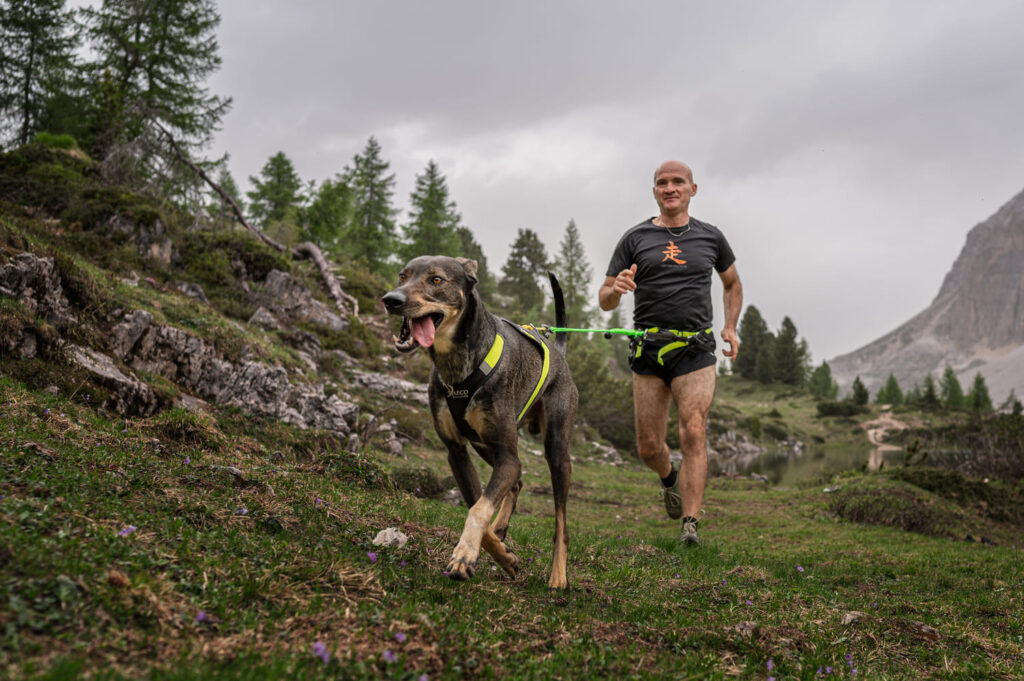
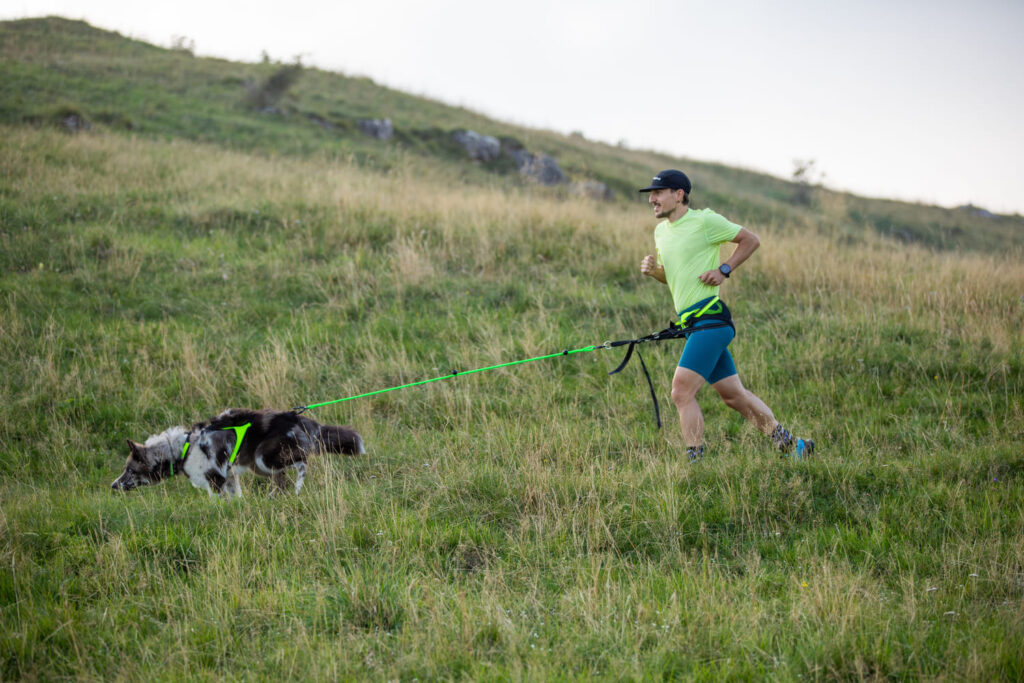
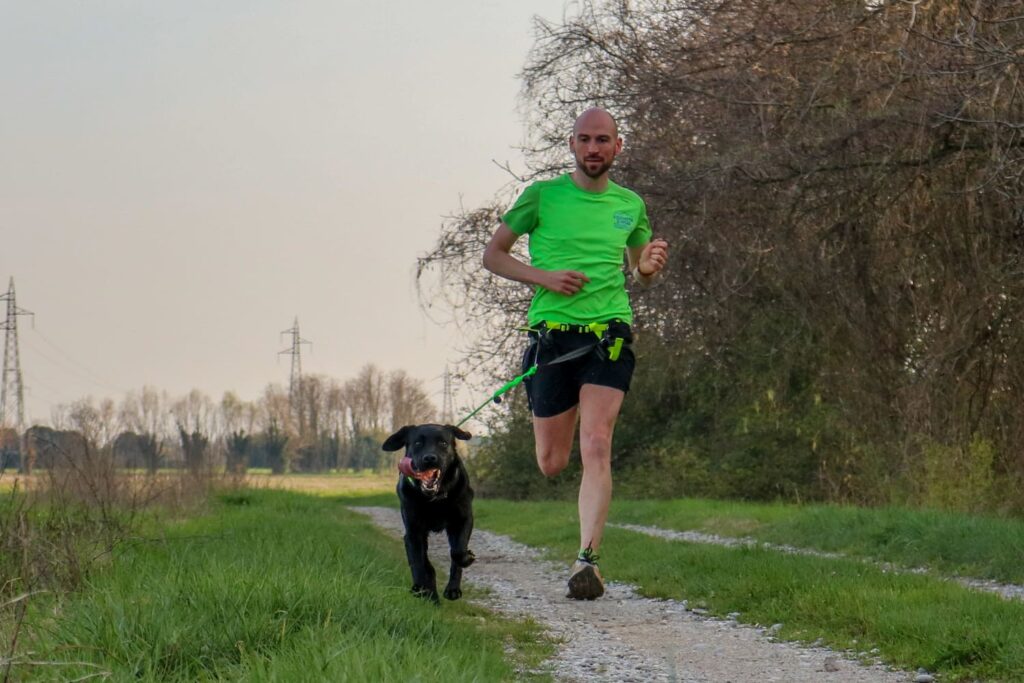
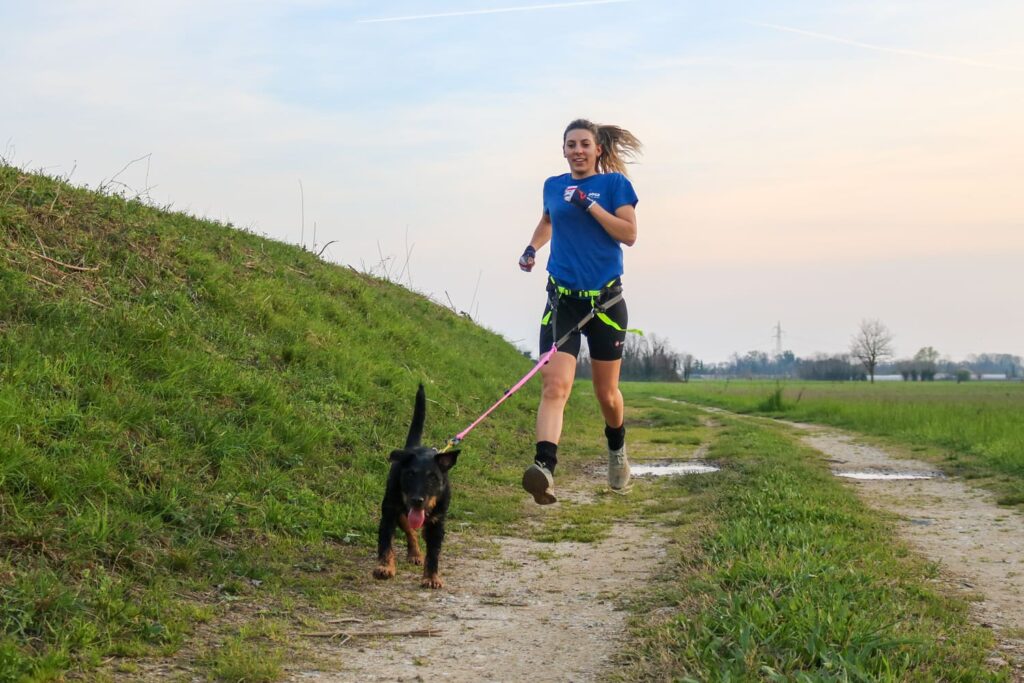
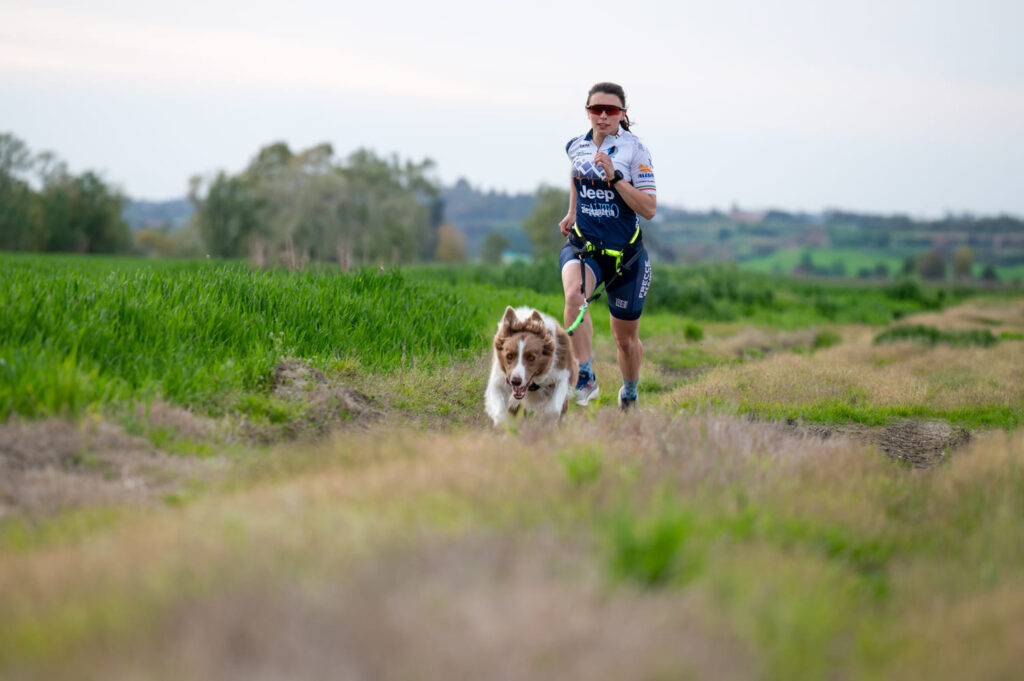
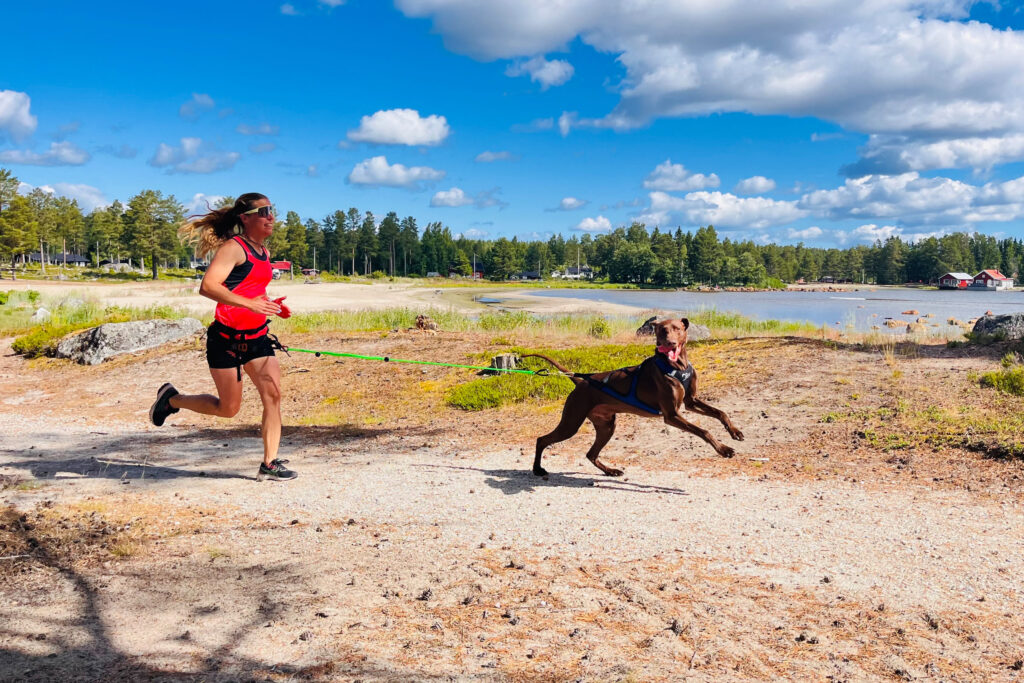
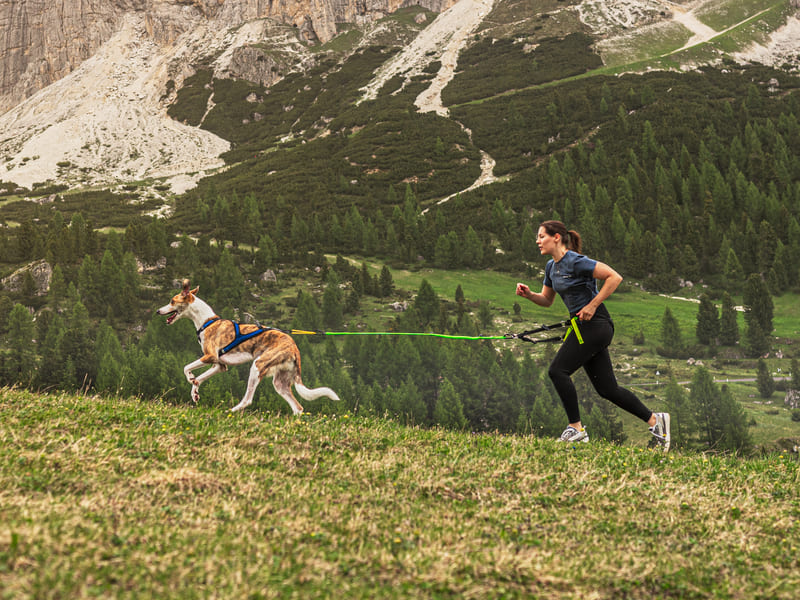
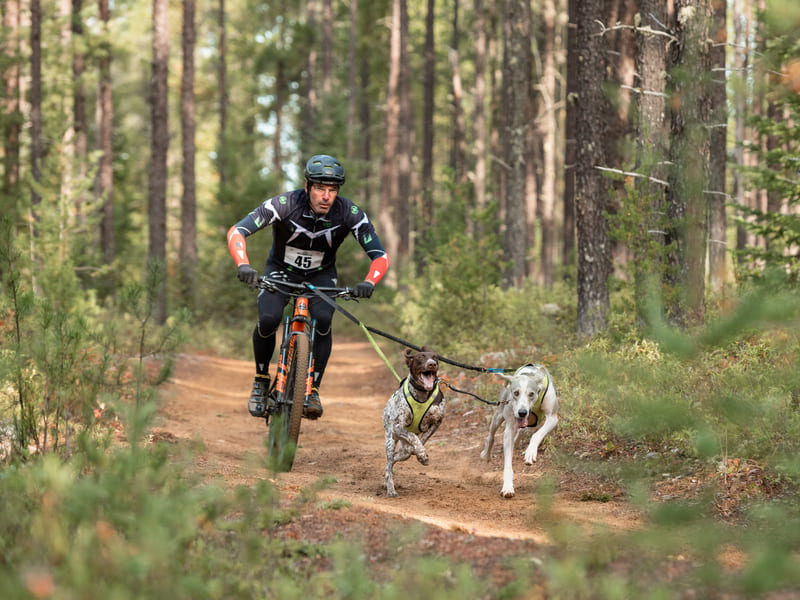
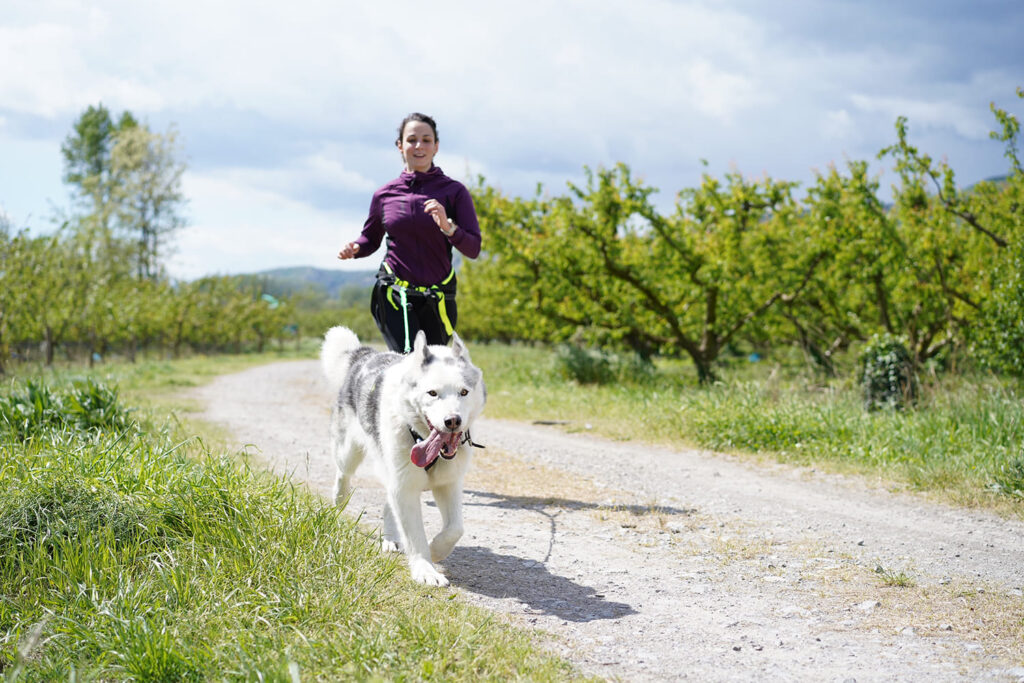
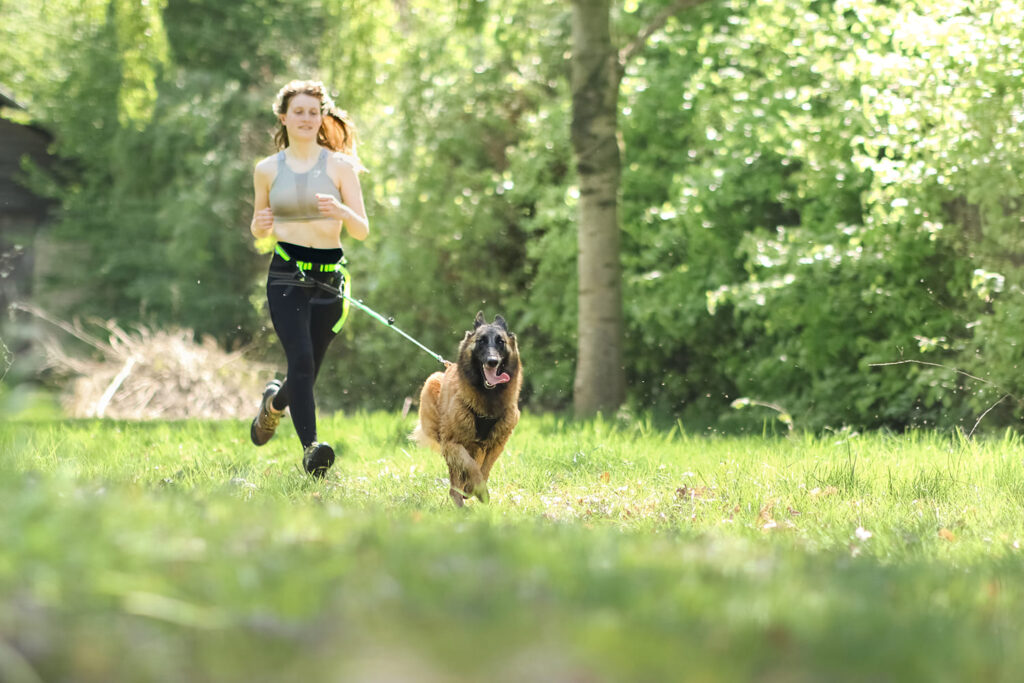
Canicross, basically cross-country running with your dog on a hands-free bungee line, stands out as a powerful outlet. Not only is it a great way to reduce stress and burn off excess energy, it also strengthens the bond between you and your dog.
What is canicross?
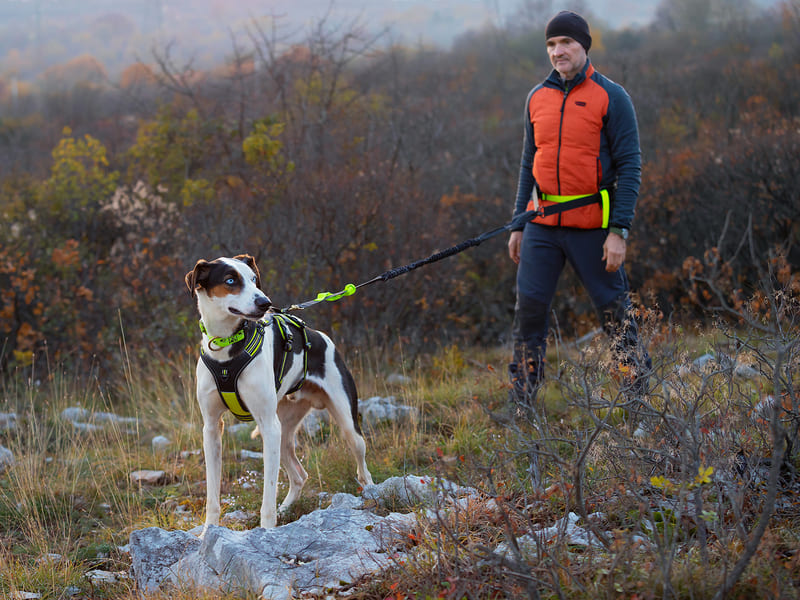
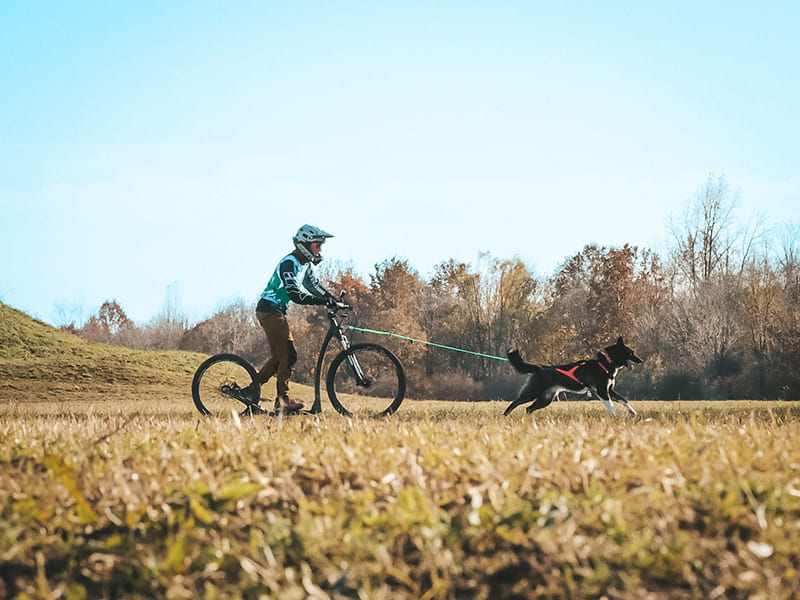
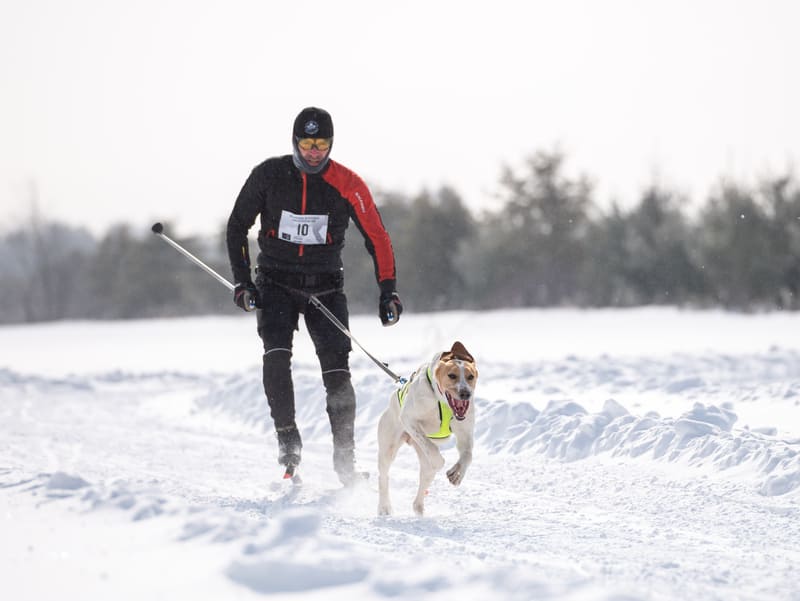
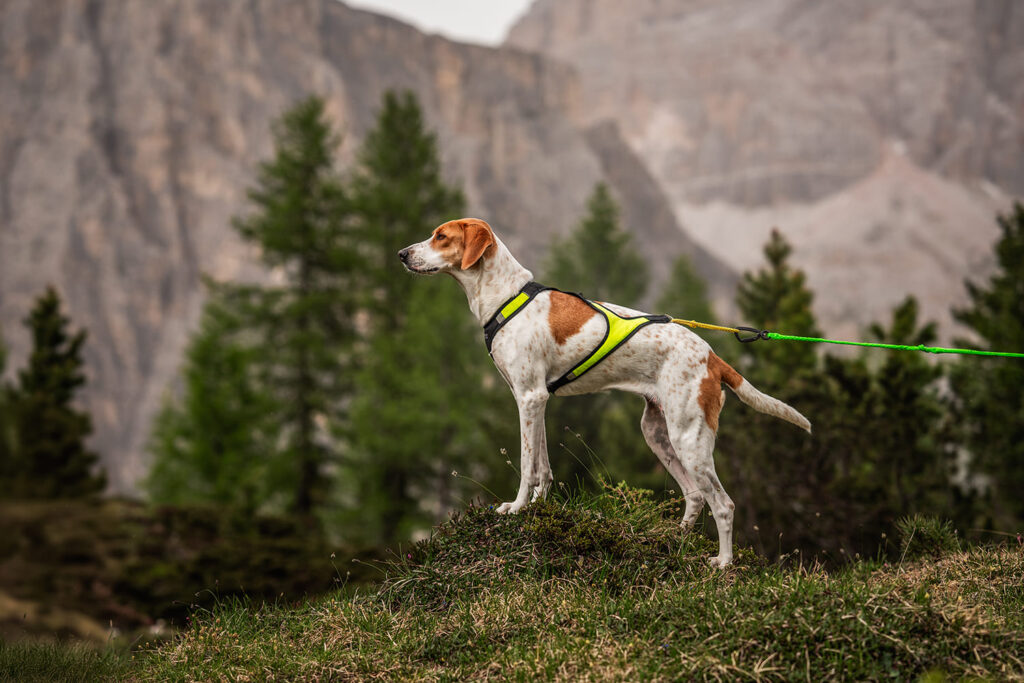
The dog wears a specialized pulling harness which attaches to their human running partner’s waist belt via a bungee line. While originally developed for northern sled dog breeds, today canicross can be enjoyed by all breeds and body types.
Aside from the obvious physical benefits, cross-country running with your dog also helps their mental well-being by:
- Releasing pent-up energy
- Reducing frustration
- Strengthening cooperation and communication
- Providing a predictable and structured framework for sensitive dogs
For dogs that struggle with overexcitement, leash reactivity, or anxiety, a clearly-structured activity can be transformative.
The Science Behind Canicross and Dog Behaviour
There is lots of research which shows the positive impact which physical exercise has on canine behavior.
Zilocchi and al. (2016) found that dogs who engage in regular physical activity show fewer stress-related behaviors, such as stereotypies, and exhibit better emotional regulation. Other research suggests that physical training modulates arousal levels, facilitates learning, and improves focus. Studies on beagles have also shown a decrease in cortisol and improved adaptive capacities after participating in an exercise program. In animal rescue shelters, activity sessions are used to reduce boredom and anxiety behaviours, though they are carefully planned to avoid rebound effects.
In short: giving dogs a healthy outlet to release energy, helps them become calmer, more focused, and more receptive to training.
How to get started with canicross
Canicross can be a powerful behavioral tool when introduced correctly. Start with a careful assessment of your dog’s health, how they react in different situations and identify triggers for their problematic behaviors. Don’t rush it: two or three 15- to 20-minute sessions per week are more than enough at first. You can gradually increase how long you run for and the physical intensity of each session over time (especially if the goal is not performance but emotional regulation). Remember to keep a careful eye out for signs of fatigue and never be afraid to adapt your run to make sure that canicross is always a positive experience for your dog.
Varying your route and your pace helps engage both body and mind and can enrich the experience for both of you. Allowing your dog some opportunities to explore or sniff while still attached to you can combine mental stimulation with physical exertion and so enhance the calming effects.
Keep a logbook to track any behaviour changes before and after sessions, this will help you measure progress. Improvements generally become apparent after a few weeks and can include: reduced restlessness, improved frustration tolerance, and increased ability to settle.
Implement Routine and Rituals for Successful Training
The rituals you associate with the activity can play a major role in reinforcing the positive effects of canicross:
- A calm moment before heading out will help limit initial excitement, and gradual warm-ups prepare the body and encourage a smooth start to exercise sessions.
- Sniffing or relaxation breaks and positive reinforcement of calm behaviour, help promote and maintain emotional balance.
- After your run, cool-down with a slow walk, hydration, and possibly even a scent-based game can help your dog recover and anchor the experience positively.
Conclusion:
Canicross is not a substitute for behaviour work with a qualified professional, but it can be an invaluable ally for anxious or reactive dogs. It works on multiple levels, physical, emotional, and cognitive, to help dogs release energy in a healthy way, develop self-regulation, and promote cooperation with humans.
By providing a great outlet for energy, canicross promotes a more stable emotional state and makes your dog more receptive to learning. With gradual progression, observation, and consistency, canicross can become more than just a sport. It’s a key to a happier, calmer, and more balanced dog, and a deeper partnership between you and your four-legged companion.
Written by Lucie Cherrier, dog behaviourist.
References
Housing and exercise of dogs : effects on behavior, immune function, and cortisol concentration. (1997, 1 octobre). PubMed. https://pubmed.ncbi.nlm.nih.gov/9355093/
Protopopova, A., Hauser, H., Goldman, K. J., & Wynne, C. D. (2017). The effects of exercise and calm interactions on in-kennel behavior of shelter dogs. Behavioural Processes, 146, 54‑60. https://doi.org/10.1016/j.beproc.2017.11.013
Wilson, C., Ebbecke, D., Berger, D., & Otto, C. (2023). The Effects of Fitness Training on Working Dog Behavior. Veterinary Clinics Of North America Small Animal Practice, 54(1), 87‑99. https://doi.org/10.1016/j.cvsm.2023.08.005
Zilocchi, M., Tagliavini, Z., Cianni, E., & Gazzano, A. (2016). Effects of physical activity on dog behavior. Dog Behavior, 2(2), 9‑14. https://doi.org/10.4454/db.v2i2.34≠