
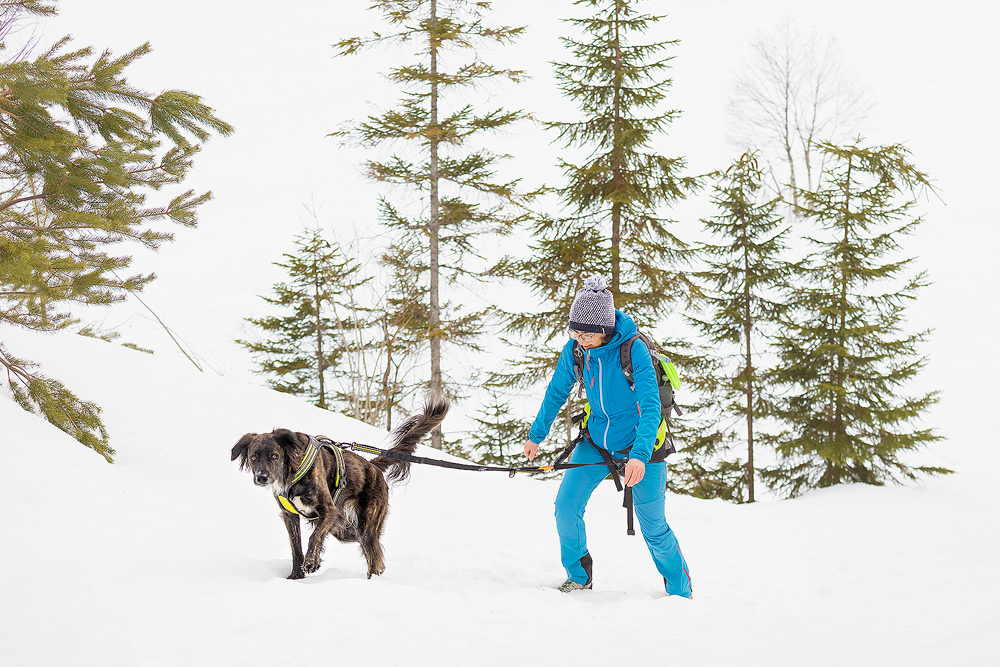
Getting out into the snow with your dog can be great fun but there are a few things to bear in mind to keep your four-legged friend safe.
Snow ingestion
Fluffy white piles of newly fallen snow are often irresistible for dogs and they’ll soon be off running and playing through the drifts. Sometimes your dog may be tempted to eat the snow, whether for fun, thirst or to cool down after a run.
Unfortunately, swallowing snow can sometimes cause vomiting, diarrhoea, chills or other issues. If any of these problems arise in your dog, you should always contact your vet.
Ice balls
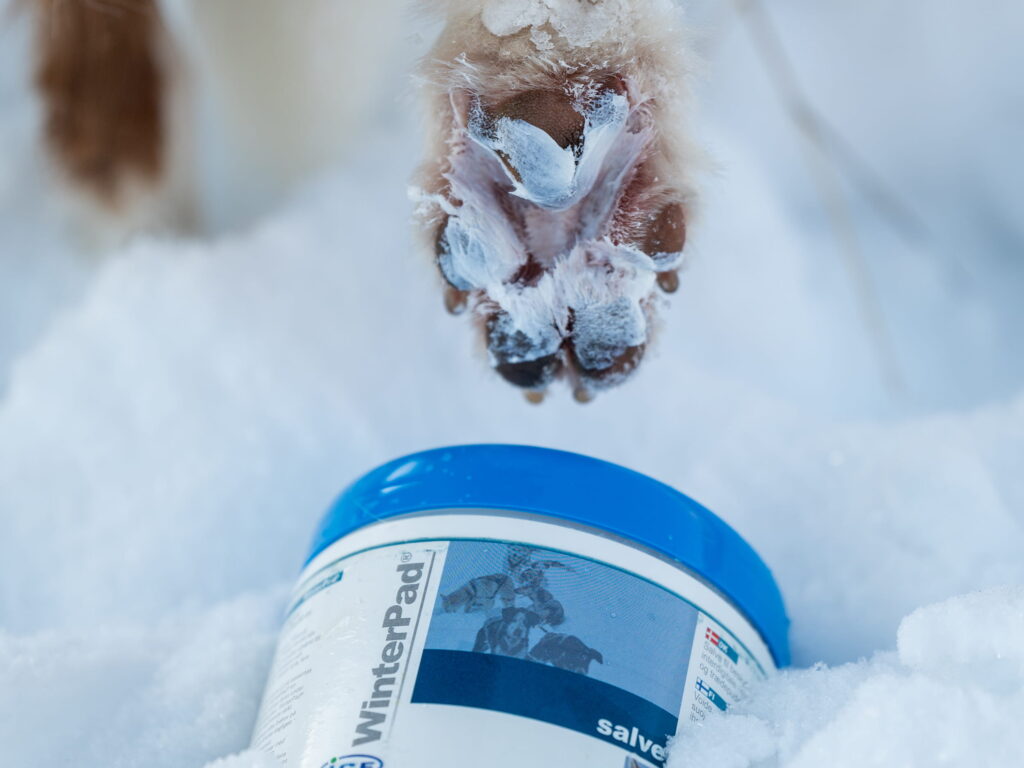
Fresh snow can also cause problems with your dog’s paws, forming lumps or balls of ice. These can be very irritating for your pup. These frozen clumps of snow can be delicately removed by hand but you can avoid them forming in the first place by applying WinterPad to your dog’s paw pads before they head out into the snow.
Winter booties can also help prevent the problem by protecting their paws.
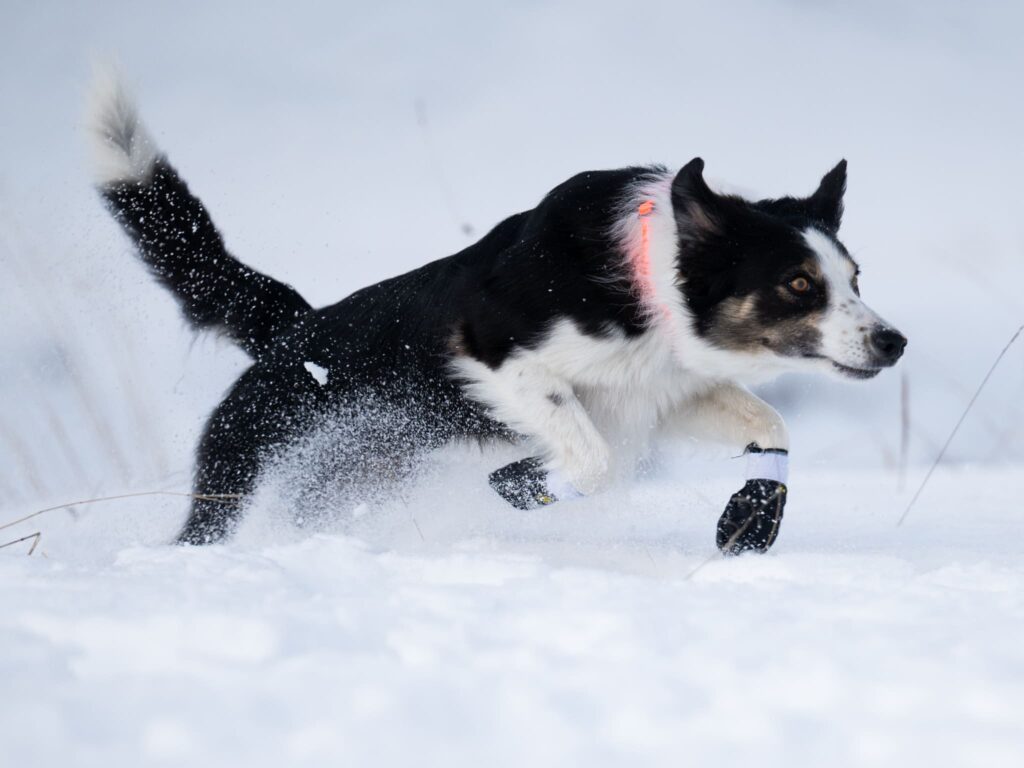
Neglecting to clear your dog’s paws of small balls of ice may lead to frostbite, sores and wounds on the pads which can easily become infected. These are very painful for your dog and are difficult to treat.
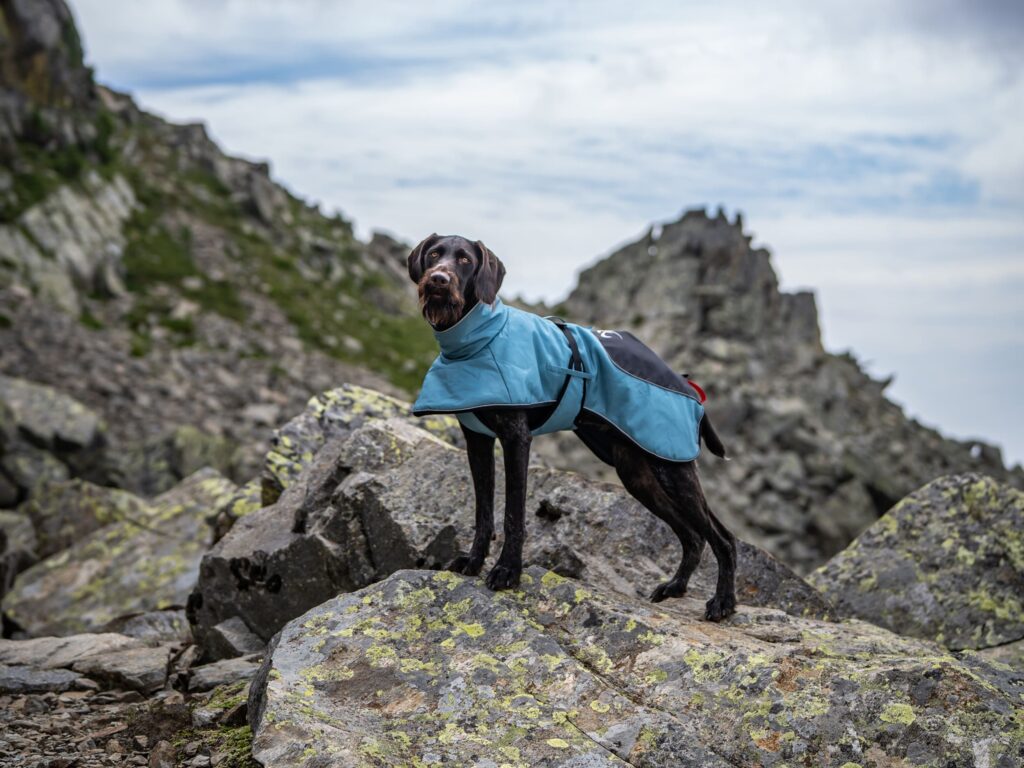
Frostbite can also form on other parts of the body too, so it is worth considering a protective, waterproof coat for your friend whenever you venture out into the snow.
Cold
Some dogs can experience the very uncomfortable feeling of being cold while out in the snow. This happens to dogs with little to no fur, younger and older dogs or certain specific breeds. You can get them a warm coat to make their adventure REALLY fun!
Having fun out in a snowy winter wonderland can be an amazing experience but we need to make sure that we keep our four-legged companions safe and sound.